
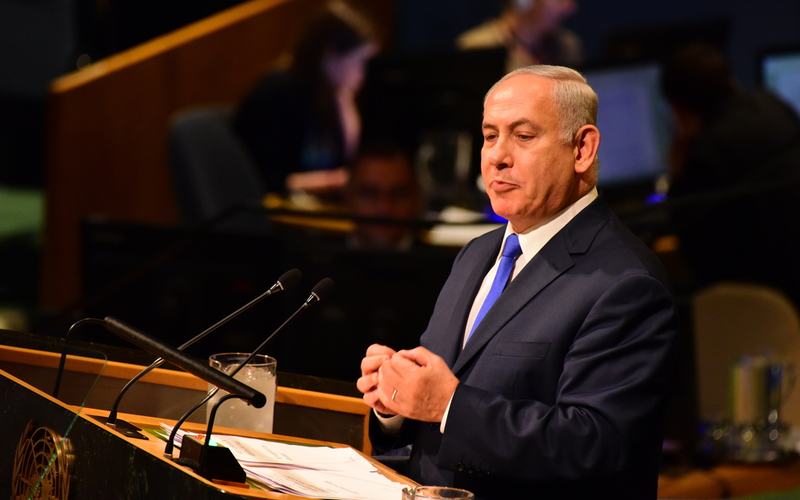
Israelis headed to the polls Tuesday in a consequential national election shaped by security concerns, the aftermath of Hamas’ October 7, 2023, attack, and deep divisions over Prime Minister Benjamin Netanyahu’s leadership and the country’s future.
More than 7 million Israelis are eligible to vote, with the outcome potentially determining whether Netanyahu remains in power or a rival coalition takes over after years of conflict and domestic political turmoil.
Netanyahu, Israel’s longest-serving prime minister, voted shortly after midday and described the election as a decisive moment for the country. He also warned that Arab parties could receive unusually strong support, although he offered no evidence for the claim. In previous elections, Netanyahu has raised similar concerns about Arab voter turnout to mobilize his right-wing base.
His main rival, former military chief Gadi Eisenkot, urged voters to reject what he described as scare tactics and called for a change in government. After voting, Eisenkot characterized the contest as one of the most consequential days in Israel’s history and criticized the government’s handling of the country’s security challenges.
Turnout reached nearly 45% of eligible voters by 2 p.m., according to the Central Elections Committee, the highest level recorded by that point in an election since 1973. Tens of thousands of Israelis had reportedly traveled home from abroad to participate, while approximately 330,000 young people were eligible to vote for the first time.
The election is Israel’s first national vote since Hamas’ October 7 attack triggered the war in Gaza and contributed to wider regional conflict. Security remains a central concern for voters, particularly as Israel continues to face tensions with Iran and the consequences of the fighting on multiple fronts.
Netanyahu’s supporters credit him with guiding Israel through repeated security crises and protecting the country’s Jewish identity. They also support his efforts to limit what they view as excessive power held by the judiciary. His critics, however, accuse his government of deepening domestic divisions, weakening judicial independence and prolonging the Gaza conflict and hostage crisis for political reasons. Netanyahu denies wrongdoing in his ongoing corruption trial.
Eisenkot, a former chief of the Israel Defense Forces, has presented himself as a security-focused alternative. His supporters argue that his military background makes him qualified to lead the country through its current challenges while rebuilding relations with international partners. His son and two nephews were killed while serving in Gaza, a personal loss that has shaped how many supporters view his connection to the war.
The contest also centers on the influence of religious and ultranationalist parties in Israeli politics. Netanyahu’s governing partners include far-right figures such as National Security Minister Itamar Ben-Gvir, who warned that the Islamist Ra’am party’s leader, Mansour Abbas, could wield power if Netanyahu’s coalition fails to win.
Arab-led parties could play a decisive role if neither major political bloc secures enough parliamentary support. Abbas said he hoped turnout in Arab communities would exceed 70%. Arab citizens make up roughly one-fifth of Israel’s population, and their participation could affect coalition negotiations after the vote.
Israel’s parliamentary system makes an outright majority for a single party highly unlikely. If neither Netanyahu’s coalition nor the parties seeking to replace him can assemble a governing majority, negotiations could continue for weeks, with smaller parties potentially determining who becomes prime minister.
Election officials reported relatively few irregularities compared with previous elections, although disputes emerged at some polling stations. Eisenkot’s Yashar party filed an urgent complaint alleging that ballot slips had been missing, damaged or turned over in voting booths at nine locations. The Association for Civil Rights in Israel also complained about delays it said could suppress voting among Palestinian citizens of Israel. Election officials said voters who remain in line when polls close are entitled to cast their ballots.
The result could also affect Israel’s international standing. The country has faced growing criticism over its military campaign in Gaza and violence by Jewish settlers in the occupied West Bank, while relations with some Western partners have deteriorated. Netanyahu faces an international arrest warrant over alleged crimes connected to the Gaza war, which he denies.
Meanwhile, Netanyahu has continued issuing warnings to Iran, saying Tehran would face “a devastating blow” if it attacked Israel. The threat underscores the security pressures confronting whoever leads the next government.
Beyond choosing a prime minister, Israelis are deciding how their country should be governed: whether religious and nationalist parties will retain substantial influence or whether a new coalition will pursue a different approach to judicial independence, military service and relations with foreign partners.
For Netanyahu, the election is another test of a political career defined by security crises and fierce domestic divisions. For Eisenkot and the opposition, it is an opportunity to replace a government they blame for the country’s political and security difficulties. The final outcome will depend not only on the vote totals but also on the coalition negotiations that follow.

Comments
No comments yet. Be the first to share your thoughts.