
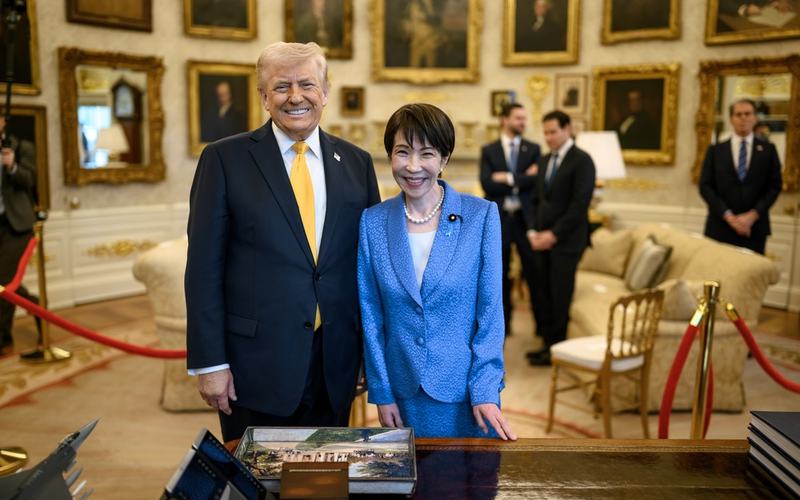
Japan's government scrapped a decades-old ban on lethal weapons exports on Tuesday, marking a significant shift from its postwar pacifist stance. Prime Minister Sanae Takaichi's cabinet endorsed revised guidelines that remove restrictions previously limiting sales to noncombat equipment like rescue gear, transport vehicles, surveillance tools, warning systems and minesweepers.
The changes allow exports of fighter jets, missiles, warships, destroyers and combat drones to around 17 countries with which Japan has defense equipment transfer agreements, including the United States, United Kingdom and Australia. All transfers will undergo strict National Security Council screening, with prohibitions on sales to nations in active conflict except in special circumstances tied to Japan's security interests or U.S. operations in the Indo-Pacific.
Chief Cabinet Secretary Minoru Kihara stated the policy will "ensure safety for Japan and further contribute to the peace and stability in the region and the international society as the security environment around our country rapidly changes." Takaichi emphasized that no single nation can protect its peace alone and pledged rigorous judgments on transfers while upholding Japan's pacifist history.
Post-World War II, Japan's constitution renounced war and barred arms exports under strict "three principles" established in 2014, which permitted only non-lethal items. A 2023 update allowed limited lethal component returns, such as Patriot missiles to the U.S., and joint developments like a next-generation fighter with Britain and Italy. Tuesday's move clears hurdles for full-scale sales, including Mogami-class frigates to Australia and potential deals with New Zealand and the Philippines.
The decision responds to escalating threats from China and North Korea, as well as Russia's activities, amid Japan's defense spending rise to 2% of GDP. It aims to integrate Tokyo into global supply chains and revitalize its arms industry.
U.S. Ambassador George Glass hailed it as a "historic step" enhancing allied capabilities. Australia and European nations have shown interest. China, however, voiced serious concern, vowing to resist Japan's "reckless moves toward a new type of militarism." Domestic critics argue it risks violating the pacifist constitution and heightening global tensions.

Comments
No comments yet. Be the first to share your thoughts.