
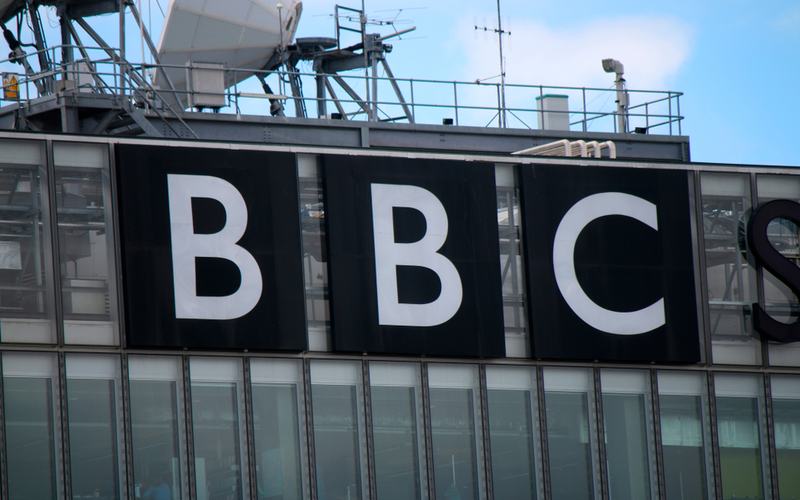
A federal judge in Florida ruled Tuesday, November 10, that President Donald Trump's $10 billion defamation lawsuit against the BBC can proceed, rejecting the broadcaster's request to dismiss the central claim while throwing out a separate allegation of unfair trade practices.
U.S. District Judge Jeffrey Kuntz determined that Trump had sufficiently alleged that the BBC damaged his reputation by airing an edited version of his January 6, 2021, speech that could have misrepresented his remarks. The judge also found that Trump had plausibly argued the broadcaster knew or should have known that the edited footage was misleading.
The decision does not establish that the BBC committed defamation or that Trump is entitled to damages. It allows the case to move forward so the allegations can be examined through further proceedings.
Trump filed the lawsuit in December in federal court in Florida, seeking at least $10 billion in damages. His complaint centers on a BBC Panorama documentary that aired shortly before the 2024 presidential election, which Trump won.
The documentary combined separate portions of Trump's January 6 speech, including his call for supporters to march to the Capitol and a later statement urging them to "fight like hell." The edited version omitted a section in which Trump called for peaceful protest, making the speech appear to present a more direct call for violence than the full remarks.
The BBC previously acknowledged that the editing was misleading and apologized to Trump, but has denied that the broadcast amounted to defamation.
The controversy intensified after a leaked internal BBC memo identified the edits as evidence of potential political bias. The revelations triggered a public relations crisis for the British broadcaster and led to the resignations of senior officials.
The lawsuit is part of a series of legal actions Trump has pursued against media organizations over coverage he considers damaging or inaccurate.

Comments
No comments yet. Be the first to share your thoughts.