
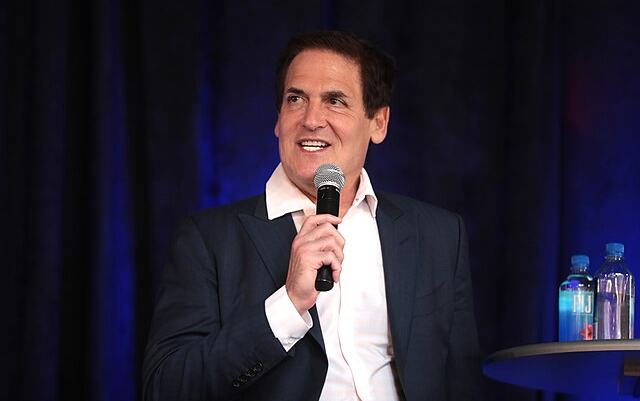
Billionaire entrepreneur Mark Cuban said he has no interest in seeing former Vice President Kamala Harris run for the White House again in 2028, marking a notable shift from his role as a supporter during her 2024 campaign.
Speaking at Politico’s Health Care Summit, Cuban responded bluntly when asked whether he would back another Harris candidacy, saying “no.” When pressed on her messaging during the 2024 race, he dismissed it, stating he did not remember or prioritize it.
Cuban emphasized that his focus has moved away from individual candidates and toward policy issues, particularly the structure of the U.S. health care system. He said his primary concern is addressing what he described as systemic problems within the industry, including high costs and regulatory barriers.
He also signaled openness to supporting candidates from either party, including Republicans aligned with President Donald Trump, if they advance policies aimed at lowering drug prices and accelerating approvals. Cuban pointed to bipartisan efforts, including legislation backed by Sens. Elizabeth Warren and Josh Hawley, as examples of potential reform.
Cuban argued that large health care conglomerates exert excessive control over the system and called for structural changes, including breaking up companies that operate across multiple sectors of the industry. He also urged federal regulators to take a more active role in enforcing competition.
While he expressed openness to an independent candidate focused on health care reform, Cuban made clear he has no plans to run for office himself.
His comments represent a departure from his earlier political involvement. Cuban had previously supported multiple candidates across party lines, including backing former U.N. Ambassador Nikki Haley during the Republican primary and later campaigning for Harris in the general election.
The remarks highlight ongoing uncertainty within political and business circles about the direction of future presidential campaigns, as figures like Cuban shift attention from personalities to specific policy priorities.

Comments
No comments yet. Be the first to share your thoughts.