
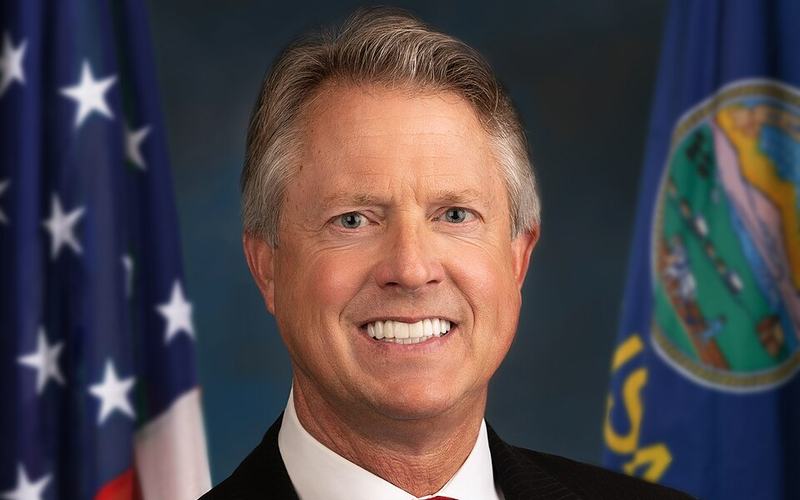
Sen. Roger Marshall (R-KS) is blaming elevated gasoline prices for the unexpectedly competitive nature of his reelection contest against Kansas Democratic nominee Adam Hamilton, arguing that economic concerns are shaping voters’ views even as key state industries perform well.
During an appearance on Fox Business Network’s “Big Money,” host Taylor Riggs asked Marshall why polling showed a single-digit contest between the incumbent Republican and Hamilton.
“Well, no, I think it’s the price of gasoline. It’s that simple,” Marshall responded, while questioning whether national polling accurately reflects the state of the race.
Marshall pointed to his previous Senate campaign in 2020, when he won an open-seat contest by 11 percentage points despite polls showing a similarly competitive race. He acknowledged, however, that he does not expect to replicate that margin this time around.
The senator also criticized national media coverage of President Donald Trump and the economy, arguing that persistent negative reporting has shaped public perceptions despite what he described as a strong economic outlook in Kansas.
“The national media, the legacy media, has just beat the heck out of President Trump now for, what, 10 years,” Marshall said. He added that the media was portraying conditions as far worse than they appeared to him on the ground in Kansas.
Marshall pointed to the state’s cattle industry, oil and gas sector, aerospace businesses and manufacturing as evidence of economic strength.
“We have the strongest cattle markets in my lifetime,” he said, describing cattle production as Kansas’ leading business. He also said the state’s oil and gas industry remained strong and that aerospace and manufacturing were performing well.
Despite those conditions, Marshall’s comments suggest that fuel costs remain a political vulnerability for Republicans as voters weigh household expenses against broader economic indicators. Gasoline prices are a visible part of the cost of living, and increases can influence how voters assess the economy regardless of conditions in individual industries.
The race against Hamilton will test whether Marshall’s previous electoral strength and emphasis on Kansas’ economic performance can offset voter frustration over prices. While the senator questioned the national polling picture, he conceded that the contest may be tighter than his 2020 victory.
The outcome will depend on how Kansas voters evaluate the economy, the cost of living, and the candidates’ competing messages as the Senate campaign continues.

Comments
No comments yet. Be the first to share your thoughts.