
Elon Musk publicly backed independence for three Canadian provinces Wednesday, saying Quebec, Alberta and Saskatchewan should separate from Canada as the country faces renewed debate over national unity.
Musk first responded to a post discussing Quebec Premier-designate Paul St-Pierre Plamondon and his support for Quebec independence. Musk wrote, “Good. Quebec should separate,” before adding that the province would be better off on its own and that Alberta and Saskatchewan should separate as well.
They would be better off.
— Elon Musk (@elonmusk) October 7, 2026
Alberta and Saskatchewan should separate too.
The comments came two days after the separatist Parti Québécois won Quebec’s provincial election and returned to power. The party won 59 of the 127 seats in the provincial legislature, although it fell short of a majority and will govern as a minority administration. St-Pierre Plamondon has said he intends to pursue a referendum on Quebec independence, though he has indicated that such a vote would not occur while President Donald Trump remains in office.
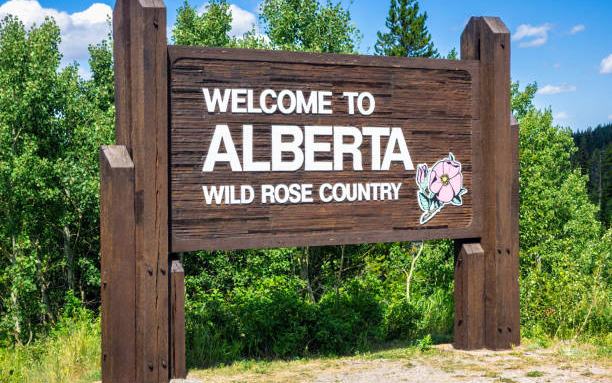
Musk’s comments also come as Alberta is preparing for an October 19 referendum concerning the province’s future relationship with Canada. The ballot asks voters whether Alberta should remain in Canada or proceed toward a second binding referendum on separation. Alberta Premier Danielle Smith has said she plans to vote to remain part of Canada and has disagreed with Musk’s position.
Saskatchewan has also seen renewed discussion about independence. Premier Scott Moe has previously said he considers himself a Canadian and responded to Musk’s latest call for separation with a blunt “No.” Moe has nevertheless said he would not prevent a public vote on separation if Saskatchewan residents successfully petitioned for a plebiscite.
Musk has personal ties to Canada. Although born in South Africa, he holds Canadian citizenship, spent part of his youth in Saskatchewan and later lived in Vancouver before attending Queen’s University in Ontario. His mother was born and raised in Saskatchewan.
The remarks add a high-profile American voice to a growing constitutional debate in Canada, with separatist movements now active to varying degrees in Quebec, Alberta and Saskatchewan.

Comments
No comments yet. Be the first to share your thoughts.