
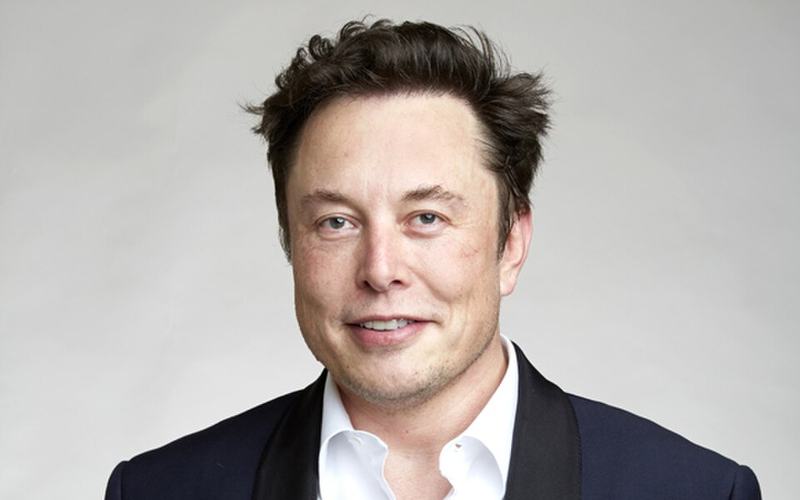
A potential merger between SpaceX and Tesla could create a company valued at approximately $3.5 trillion, bringing Elon Musk's rocket and satellite operations together with his electric vehicle, robotics, and Super Intelligence businesses.
The proposal is still under consideration, and no merger agreement has been announced. Musk, who leads both companies, confirmed last month that SpaceX and Tesla had established special committees to evaluate the possibility following requests from shareholders.
“Both SpaceX and Tesla have formed special committees to discuss this idea at the request of shareholders,” Musk said during SpaceX's Oct. 20 third-quarter earnings webcast.
Musk said independent directors are handling the discussions because he has a potential conflict of interest and cannot participate in the committees' deliberations. He also cautioned investors against assuming a deal was inevitable, even though he personally supports combining the companies.
“I think some people out there assume that a SpaceX and Tesla merger is a certainty, and I think that would be overstating it. Do I think it would be a good idea? Yes,” he said.
Any agreement would face a significant shareholder approval requirement. Musk said a merger would need the support of holders representing at least 50% of all Tesla shares, rather than simply a majority of shareholders who participate in the vote.
The companies have overlapping interests in several areas of technology. SpaceX's operations include its Starlink satellite network, the Grok chatbot, and plans for data center development. Tesla is expanding beyond electric vehicles through self-driving technology, robotaxis, humanoid robots, and the development of its own Super Intelligence chips.
The companies are also working together on a proposed computer chip manufacturing facility in Texas. The project is expected to require at least $55 billion in investment, with total spending potentially reaching $119 billion, according to The New York Times.
Supporters of a merger argue that combining the companies could strengthen their ability to develop advanced computing systems and compete in an increasingly technology-driven economy. Musk described the potential combination as particularly relevant as the companies move toward what he called the “super intelligence singularity,” referring to the point at which artificial intelligence surpasses human intelligence.
However, the proposal could also create complications for investors. Research cited by the Times suggests that conglomerates can trade at a discount of roughly 10% to 15% compared with the combined value of their businesses if they operated as separate companies. The phenomenon is commonly known as the conglomerate discount.
General Electric, once one of the largest conglomerates in the United States, completed a breakup into three separate companies in 2024.
“Shareholders can already own both companies, and this transaction would have all the drawbacks of a conglomerate,” Baruch Lev, professor emeritus of accounting and finance at New York University's Stern School of Business, told the Times.
Other analysts see potential advantages in bringing the businesses together. Shay Boloor, chief market strategist at investment research firm Futurum Equities, argued that the growing importance of computing infrastructure makes the combination more attractive.
“In this AI economy, where computing capacity rules the world, putting SpaceX and Tesla together makes a lot of sense,” Boloor said.
For now, both companies remain independent, with their respective boards evaluating the proposal. Any merger would still need to overcome regulatory, corporate governance, and shareholder approval hurdles before moving forward.

Comments
No comments yet. Be the first to share your thoughts.