
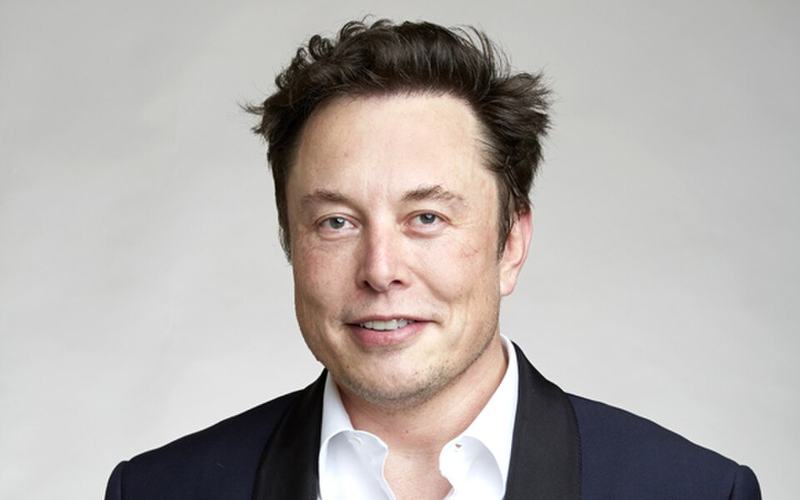
Elon Musk says industrial production on the Moon and Mars could grow at an extraordinary pace in the coming years, with output potentially more than doubling annually as humanity develops the technology needed to establish permanent operations beyond Earth.
The prediction reflects Musk's broader vision of expanding human activity into space and eventually creating self-sustaining settlements on other worlds.
Under such a growth trajectory, industrial capacity would increase dramatically from one year to the next. Production that doubled annually would become increasingly large over time, meaning even a relatively small starting point could eventually develop into a significant industrial base.
Musk has repeatedly argued that expanding civilization beyond Earth will require more than simply sending astronauts on short missions. A permanent presence would require infrastructure capable of producing energy, constructing facilities, and obtaining or manufacturing essential resources locally.
The Moon could play an important role in that development because of its proximity to Earth. Lunar operations could potentially serve as a testing ground for technologies needed for more ambitious missions while providing access to resources that could support future space infrastructure.
Mars presents a much greater challenge because of its distance from Earth and harsher environment. Establishing large-scale industrial operations there would require systems capable of operating with limited assistance from Earth and eventually producing many of the resources needed by a settlement.
Musk's projection is a long-term forecast rather than a current measurement of industrial production on either world. Neither the Moon nor Mars currently has a large-scale industrial economy comparable to that of Earth.
For Musk's prediction to become reality, space companies and governments would need to overcome major technical and logistical obstacles, including transportation costs, energy production, construction, resource extraction, and maintaining equipment in hostile environments.
The prediction nevertheless illustrates the scale of Musk's ambitions for space development. Rather than viewing lunar and Martian activity as isolated scientific missions, he envisions a rapidly expanding industrial presence that could eventually support permanent human civilization beyond Earth.

Comments
No comments yet. Be the first to share your thoughts.