
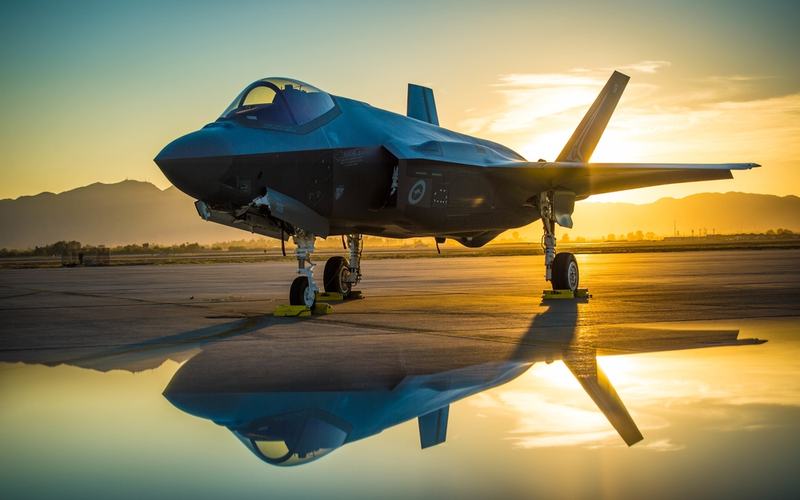
The Pentagon still cannot account for more than 1 million F-35 spare parts valued at over $85 million, according to a Government Accountability Office report released Monday that identified persistent weaknesses in the military's inventory management and financial oversight.
The parts disappeared from the F-35 supply system between May 2018 and October 2022. Although the GAO previously reported the losses in 2023, the F-35 Joint Program Office (JPO) still did not know their status as of March 2026.
The War Department has spent more than $31 billion purchasing approximately 26 million spare parts for the stealth fighter program. However, the GAO found that officials continue to lack reliable records showing where components are located, what condition they are in, and how they move through the supply network.
The scale of the program makes inventory management particularly complex. The F-35 supply system spans more than a dozen countries and includes nearly 1,900 high-tech suppliers, almost 1,000 small businesses, and more than 700 government- and contractor-managed storage facilities worldwide.
The GAO found that the Pentagon also lacks complete records for certain government-owned components, including engines and tires. Its accountable property system of record, which is intended to track government equipment and supplies, contains inaccurate and incomplete information and does not consistently reflect inventory changes.
The JPO has not fully established procedures to verify the accuracy of information entered into the system. Physical inventory procedures have also failed to reliably confirm that every recorded component exists or that all parts are included in the inventory.
The watchdog warned that these shortcomings leave military officials without dependable information to manage supplies, oversee government property and produce accurate financial reports. Without knowing which parts are available and where they are located, the Pentagon also faces greater difficulty determining what components are needed to keep aircraft operational.
The findings come as the F-35 program struggles with declining aircraft availability. A separate GAO assessment earlier this year found that the fleet's mission-capable rate, which measures how often an aircraft is available to perform at least one assigned mission, fell from 67% in fiscal year 2021 to 44% in fiscal year 2025.
The full mission-capable rate, which measures the percentage of time an aircraft can perform all its assigned missions, dropped from 38% to 25% over the same period.
The latest report identified unreliable spare-parts records as a factor affecting the program's ability to support aircraft readiness. The GAO said accurate accountability information is necessary to establish where components are, who is responsible for them, and what condition they are in, allowing officials to manage supplies more effectively and support military operations.

Comments
No comments yet. Be the first to share your thoughts.