
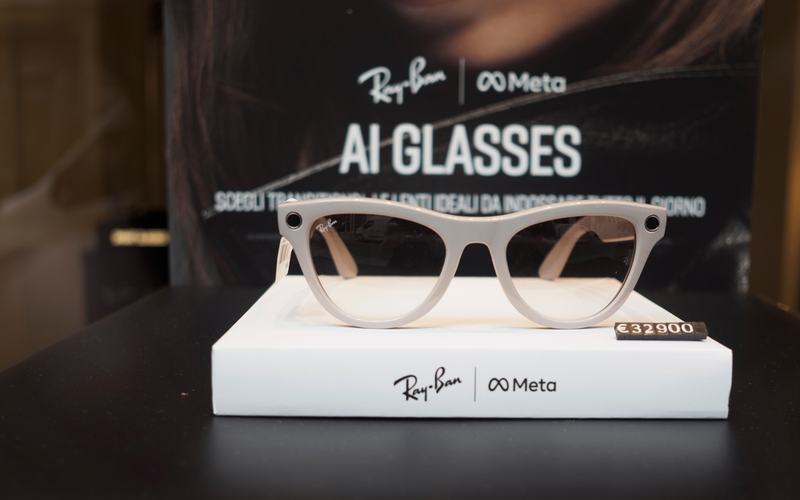
Law enforcement agencies across the United States have issued internal warnings about Meta's Ray-Ban smart glasses, citing risks that the camera-equipped wearables could be used to secretly record officers, detention facilities, and sensitive operations.
Documents reviewed by multiple outlets show memos circulating from agencies in states including New York, South Carolina, Maine, and California. The New York Police Department's counterterrorism unit sent a memo in January directing officers to inspect all eyewear permitted in inmate cells. The guidance noted that arrested individuals could use the glasses, which feature small cameras and microphones, to capture video inside police facilities.
One example cited involved a TikTok video recorded with smart glasses inside a South Carolina detention center in July 2025. The memo warned that covert recordings could reveal cell layouts, camera placements, and patrol routines, posing security risks.
On the same day as these reports emerged, Texas Attorney General Ken Paxton announced an investigation into Meta's AI glasses. The probe focuses on privacy representations, the potential for unlawful monitoring, and collection of facial data. Paxton's office highlighted concerns over the glasses' LED recording indicator, which can be hidden or disabled, and reports of subcontractor access to user video in Kenya.
Broader issues include reports of some Florida sheriff's offices purchasing the glasses for officers, including undercover units. Privacy advocates have criticized potential law enforcement use for recording the public without clear notice. ICE recently barred employees from wearing consumer versions of the glasses in federal workplaces due to risks of capturing sensitive information.
Meta has faced separate scrutiny over plans for facial recognition features, internally referred to as "Name Tag," which could identify individuals via the glasses' cameras. The company has updated software to disable cameras if tampering with the indicator is detected and maintains that the devices include privacy safeguards.
Public backlash has grown over instances of the glasses being used to record people without consent in various settings, prompting some calls for restrictions. Law enforcement concerns center on the technology's potential misuse against officers rather than by them.

Comments
No comments yet. Be the first to share your thoughts.