
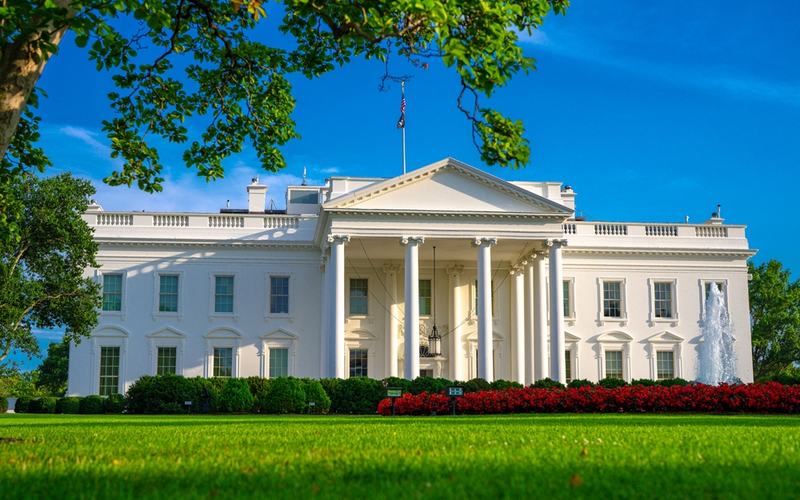
More than one in three Americans cannot name all three branches of the federal government, according to a survey cited by Axios, highlighting a persistent gap in basic civic knowledge.
The three branches of the federal government are the legislative, executive, and judicial branches. They were established under the Constitution to divide federal authority among Congress, the presidency, and the federal courts.
The legislative branch, made up of the House of Representatives and Senate, is responsible for writing and passing federal legislation. The executive branch is headed by the president and is responsible for enforcing federal laws, while the judicial branch interprets the law through the federal court system.
The inability of a substantial share of Americans to identify all three branches comes despite the central role the separation of powers plays in the U.S. government. The structure is designed to prevent too much authority from being concentrated in any single part of the federal government.
The branches also operate with separate constitutional powers and responsibilities, while a system of checks and balances allows each branch to place limits on the others. Congress, for example, can pass legislation and exercise oversight, while the president can veto legislation and appoint federal officials subject to Senate confirmation.
The federal courts, meanwhile, can review legal disputes and determine how laws and constitutional provisions apply in individual cases. Understanding those distinctions is considered a basic component of civic education because the branches interact with one another on nearly every major federal issue.
The survey results come amid broader concerns about Americans' knowledge of civics and the country's system of government. Basic questions about the Constitution, federal institutions, and the responsibilities of elected officials are regularly used to measure how familiar Americans are with the political system.
The findings also underscore the importance of understanding how federal power is divided. Knowing which branch is responsible for creating laws, enforcing them, and interpreting them provides a foundation for following political debates and evaluating the actions of government officials.
For Americans who cannot name all three branches, the basic answer is the legislative, executive and judicial branches.

Comments
No comments yet. Be the first to share your thoughts.