
A powerful atmospheric river drenched the San Francisco Bay Area on Wednesday, November 18, setting rainfall records and triggering widespread flooding, power outages, and travel disruptions.
San Francisco recorded 2.28 inches of rain by 3 p.m. on November 18, the most for that date since 1918, according to the National Weather Service. Downtown areas saw more than 2 inches by early afternoon, surpassing previous marks from the mid-20th century. The storm, fueled by a Pacific system tied to El Niño conditions, delivered intense downpours with rates approaching half an inch per hour in spots.
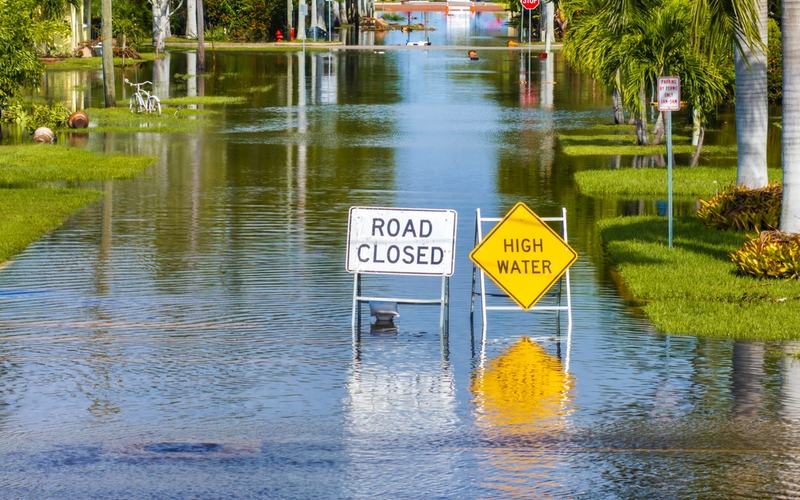
Flooding affected streets, highways, and low-lying areas throughout the Bay Area. In San Jose, firefighters used a boat to rescue stranded drivers near the SAP Center. Santa Clara County reported standing water on multiple highways. San Francisco's overwhelmed stormwater system produced sewage geysers in neighborhoods like Ocean Beach. The city logged a record number of 911 calls during the heaviest rain, with the fire department handling roughly double its usual volume.
Thousands of customers lost power across the region due to downed trees and lines, according to Pacific Gas & Electric reports. Strong winds accompanied the rain, with gusts reaching 30 to 50 mph in places. Flight delays hit local airports, and commuters faced hazardous conditions during the morning rush.
The National Weather Service issued flood advisories for multiple counties, including San Francisco, San Mateo, and Santa Clara, extending into the weekend. Forecasters warned of additional rain through Thursday and into the holiday period, with totals potentially reaching 3 to 5 inches in higher terrain. Mountain areas saw heavy snow, with 12 to 30 inches possible in the Sierra Nevada.
The event marks the latest in a series of storms impacting California this fall. Officials noted risks to burn scar areas from recent wildfires, where flash flooding remains a concern. The storm system is expected to continue influencing weather patterns as a super El Niño pattern develops.

Comments
No comments yet. Be the first to share your thoughts.