
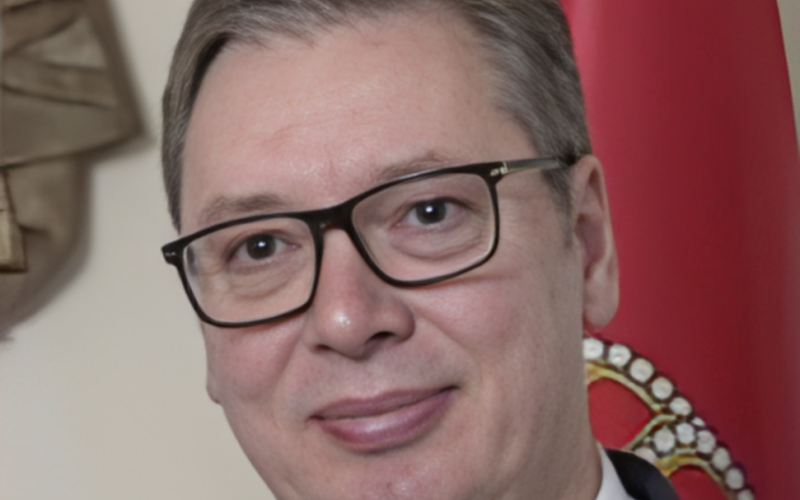
Aleksandar Vučić, who has dominated Serbian politics for more than a decade, resigned Sunday after serving two five-year terms as president. Serbia’s constitution bars him from seeking a third term, but the prime minister’s position is formally more powerful than the presidency and would allow him to remain at the center of the government.
Vučić said he was leaving the presidency to lead his Serbian Progressive Party, known as SNS, in the upcoming parliamentary election. If the party remains in power, he could potentially become prime minister following the vote.
The parliamentary election comes after nearly two years of political unrest in Serbia. The protests began after a concrete canopy collapsed at a railway station in the northern city of Novi Sad on Nov. 1, 2024, killing 16 people. University students initially demanded accountability for the deaths, but the demonstrations grew into a broader movement against corruption and the government.
The student movement is now preparing to challenge Vučić's governing party at the ballot box. Its proposed candidates include professors, teachers, athletes and other professionals, while student activists have traveled across Serbia campaigning on demands for greater government accountability and the rule of law.
Vučić has served as either president or prime minister for most of the past 12 years. His SNS party has controlled the Serbian government since 2012. Although the president has significant political influence, Serbia's constitution gives the prime minister formal authority over the government.
The president's resignation will temporarily place the head of state in the hands of Ana Brnabić, the speaker of Serbia's 250-member Parliament and a longtime Vučić ally who previously served as prime minister. Brnabić will serve as acting president until a new presidential election is held.
Vučić said the first round of that presidential election must take place within 90 days of his resignation, meaning Serbia will face both a parliamentary contest and a presidential election as the country navigates its current political crisis.
The president and his SNS government have faced accusations of corruption, ties to organized crime, pressure on independent media and weakening democratic institutions. Vučić has rejected the accusations and defended his government's record.
The political tensions have also led to clashes between protesters and authorities. Serbian officials have accused opponents and critical media organizations of attempting to destabilize the country with foreign support, while protesters have continued demanding accountability and changes to the political system.
Vučić said Sunday that he had pardoned 49 people before leaving office, including 23 people prosecuted over alleged offenses connected to the protests. He also said he would immediately begin traveling throughout Serbia to campaign and meet voters.
The election will take place as Serbia's effort to join the European Union remains stalled. The country has faced criticism from European officials over democratic standards and has maintained its refusal to join Western sanctions against Russia following Moscow's invasion of Ukraine.

Comments
No comments yet. Be the first to share your thoughts.