
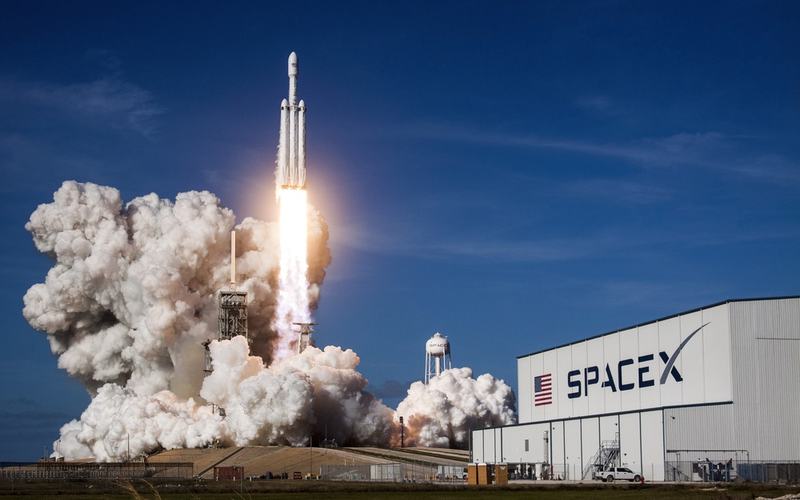
SpaceX was preparing Friday to conduct the 15th test flight of its Starship rocket, with plans to attempt the first-ever recovery of both the Super Heavy booster and the Starship spacecraft during the same mission. The 407-foot rocket was scheduled to launch from the company's Starbase facility in southern Texas at 4:45 p.m. local time, although final approval from the Federal Aviation Administration was still pending.
A successful recovery of both stages would mark a major milestone in the development of fully reusable orbital launch systems. SpaceX has previously caught the Super Heavy booster three times using massive mechanical arms, nicknamed "chopsticks," that capture the descending rocket at the launch site. Friday's test would be the company's first attempt to catch the Starship spacecraft itself.
Recovering the upper stage presents a much greater challenge. Unlike the booster, which returns shortly after liftoff, Starship must travel into orbit before reentering Earth's atmosphere at high speed. The spacecraft must withstand extreme temperatures and execute a carefully coordinated descent to reach the mechanical arms at the launch site. Aerospace analysts have described the maneuver as an exceptionally complex engineering challenge requiring millions of components and systems to work together.
SpaceX said a successful full recovery would be a breakthrough in making Starship a reliable, rapidly reusable launch vehicle. Fully reusable rockets could substantially reduce the cost of reaching orbit and make frequent launches more practical. The company is developing different versions of the spacecraft for missions involving Starlink satellites, lunar exploration and eventual travel to Mars.
The test also includes a planned deployment of 26 Starlink satellites after Starship reaches orbit. The spacecraft is expected to circle Earth 14 times before attempting its return and recovery approximately 22 hours after launch. Super Heavy is scheduled to return to the launch site about six and a half minutes after liftoff.
Despite progress with its partially reusable Falcon rocket family, SpaceX has faced significant technical hurdles in developing Starship. The spacecraft must eventually demonstrate the ability to transfer fuel between vehicles in orbit, a critical requirement for missions to the Moon and Mars. Previous test flights have also encountered engine failures and other technical problems, including an engine issue that cut short the program's first orbital flight in September.
NASA is counting on Starship to serve as a lunar lander for its Artemis program, adding pressure to the company's development schedule. SpaceX has continued testing the vehicle through a strategy that accepts failures as part of the engineering process, but the company has said it will attempt the planned recovery maneuvers only if conditions are considered safe and favorable.

Comments
No comments yet. Be the first to share your thoughts.