
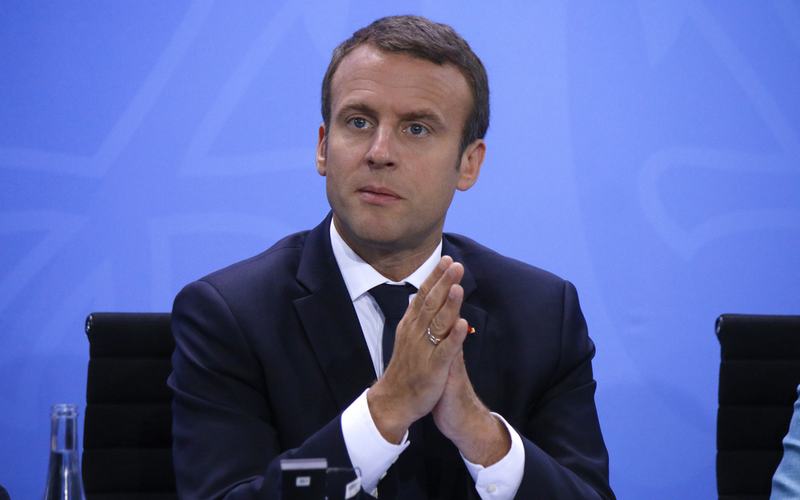
French President Emmanuel Macron and British Prime Minister Keir Starmer will co-chair a videoconference on Friday with leaders from around 40 countries to outline a multinational plan for securing the Strait of Hormuz.
The offices of the two leaders confirmed the announcement on Tuesday, stating the meeting will focus on a "strictly defensive" mission to restore freedom of navigation in the strategic waterway when security conditions permit. Senior diplomats are scheduled to hold a preparatory video call on Wednesday.
The summit agenda includes four working groups: promoting freedom of navigation and maritime security, pursuing economic sanctions against Iran if the strait remains closed, securing the release of trapped seafarers and ships, and coordinating with industry for resuming transit. Discussions will emphasize diplomatic pressure for a ceasefire alongside military planning for post-conflict operations.
Starmer told lawmakers in Parliament that the United Kingdom had already convened more than 40 nations sharing the goal of restoring navigation, and the Friday talks will advance a "coordinated, independent, multinational plan." He stressed, "We're not supporting the blockade," referring to the U.S. naval action, and added it is "vital that we get the strait open and fully open."
Macron described the effort as a "peaceful multinational mission" separate from the warring parties, to be deployed "as soon as circumstances permit." A spokesperson for the British prime minister said the summit aims to "drive forward the international effort we have built in recent weeks to ensure freedom of navigation."
The initiative comes amid an escalating U.S.-Iran conflict that began with U.S.-Israeli airstrikes on Iran in late February, prompting Tehran to largely close the Strait of Hormuz to non-Iranian shipping. A two-week ceasefire agreed last week collapsed over the weekend during talks in Pakistan. U.S. President Donald Trump then ordered a blockade on Monday targeting ships entering or exiting Iranian ports along the strait, calling for other nations to join.
Britain, France, and other European allies have declined to participate in the blockade, viewing it as entry into the war. A senior European diplomat noted the U.S. position as "paradoxical" and unpredictable. The French and British plan positions them as leaders of a non-belligerent coalition focused on post-conflict stability.
The strait handles a significant portion of global oil and gas shipments, and its disruption has driven energy prices higher while contributing to stock market volatility. Brent crude retreated to $98.3 a barrel on Tuesday, with European indices showing modest gains. UK Chancellor Rachel Reeves highlighted the economic strain on families and businesses from the conflict's fallout.
Starmer has formed a Middle East Response Committee, akin to those for Brexit and COVID-19, to manage impacts. The videoconference, hosted from Paris, underscores deepening transatlantic divisions over strategy in the region.

Comments
No comments yet. Be the first to share your thoughts.