
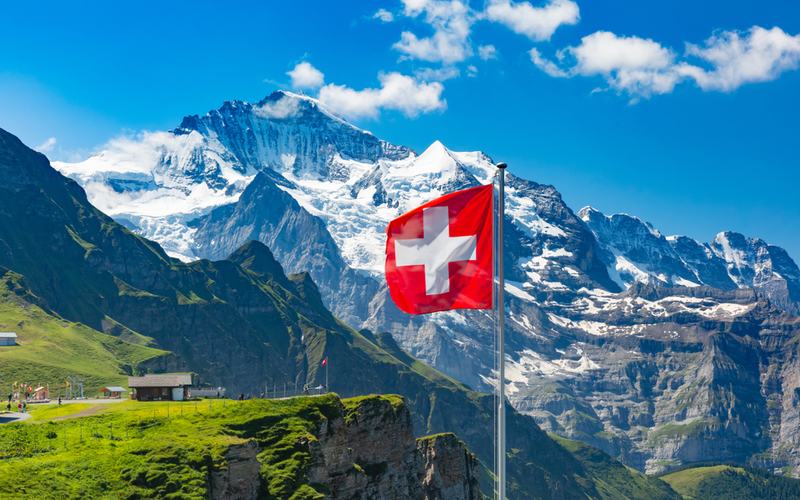
Swiss voters appeared set Sunday to reject a proposal that would have placed a stricter definition of the country's longstanding neutrality into the constitution, according to projections from Swiss public broadcaster SRF.
More than two-thirds of voters were projected to oppose the measure, which sought to prevent Switzerland from imposing economic sanctions or cooperating with military and defense alliances such as NATO except under narrowly defined circumstances.
Switzerland has maintained internationally recognized neutrality since the end of the Napoleonic Wars in 1815. The country's constitution, however, does not provide a detailed definition of how neutrality must be implemented by the government.
The referendum was backed by the right-wing Swiss People's Party, which argued that Switzerland has moved away from its traditional neutral position by joining Western sanctions against Russia following its invasion of Ukraine.
Supporters of the proposal campaigned under the slogan “No war, yes to neutrality,” using posters featuring white peace doves across the country.
The proposed constitutional changes would have prohibited Switzerland from joining or cooperating with military or defense alliances unless the country itself were attacked. It also would have restricted Switzerland from participating in international sanctions unless they were approved by the United Nations.
Supporters argued that a stricter neutrality policy has protected Switzerland for generations and allowed the country to remain outside major European wars while maintaining a role as a potential mediator between opposing sides.
Christoph Blocher, a billionaire businessman and prominent supporter of the Swiss People's Party, argued that Switzerland's neutrality has become increasingly limited in recent years. He said Russia now views Switzerland as a participant in the conflict because of the sanctions imposed against Moscow.
The Swiss government and most major political parties opposed the proposal. Foreign Minister Ignazio Cassis argued that adopting the measure would weaken Switzerland's national security and limit its ability to train with NATO forces.
Recent polling had also pointed toward rejection of the proposal, with one survey showing 68% of respondents opposed and 31% in favor.
The projected result would allow Switzerland to maintain its existing approach to neutrality while continuing to participate in sanctions against Russia and cooperate with NATO without adopting the additional constitutional restrictions proposed in the referendum.

Comments
No comments yet. Be the first to share your thoughts.