
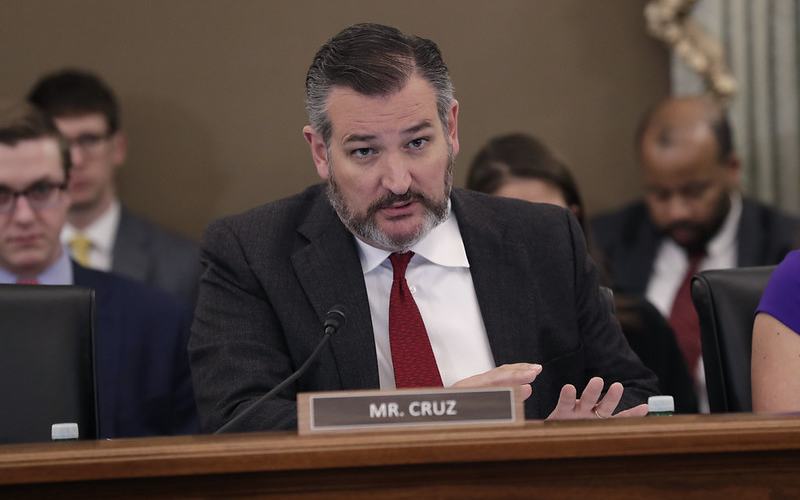
Sen. Ted Cruz (R-Texas) is spearheading an effort to rebuild the Republican Party's political infrastructure in Texas after Democrats captured the state's major statewide offices in last week's midterm elections, ending more than three decades of GOP dominance.
Cruz's political allies are establishing a new Austin headquarters for Saving Texas, a nonprofit organization designed to coordinate Republican candidate recruitment, grassroots organizing, fundraising, and efforts to strengthen the party's presence across the state. The initiative is intended to develop a long-term strategy for returning Republicans to statewide power.
"Texas is my home. It's where I've raised my family, where I've fought for conservative principles, and where I've had the extraordinary honor of representing 32 million Texans in the United States Senate," Cruz said in a statement provided to Axios.
"The work of rebuilding our party begins right here," he added. "That's why Saving Texas is establishing its headquarters in Austin, in the capital of the Lone Star State."
The Democratic victories marked a major political reversal in a state Republicans had controlled for decades. Democrat Gina Hinojosa defeated Gov. Greg Abbott, while Vikki Goodwin defeated Lt. Gov. Dan Patrick and Nathan Johnson defeated Republican Mayes Middleton in the attorney general's race. Democrats also captured other major statewide offices and flipped the U.S. Senate seat previously held by Republican John Cornyn, with James Talarico defeating former Attorney General Ken Paxton.
The results raised questions about whether Republican leaders underestimated voter dissatisfaction over economic conditions, rising living costs and the Iran war. The party also faced challenges generating sufficient enthusiasm around Paxton's Senate campaign as Democrats made gains among voters across the state.
Democrats are now positioned to take control of several major statewide offices, including the governor's mansion, lieutenant governor's office and attorney general's office. Cruz will also face a Democratic colleague in the Senate when Talarico takes office.
The consequences extend beyond Texas politics. The state carries 40 electoral votes, making it a critical part of Republican efforts to compete in the 2028 presidential election. A sustained shift in the state's political alignment could significantly affect the national electoral map.
Cruz's rebuilding initiative could also raise his national profile as speculation continues over a possible presidential campaign in 2028. Vice President JD Vance, Secretary of State Marco Rubio and Florida Gov. Ron DeSantis have also emerged as prominent potential Republican contenders for the nomination.
If Cruz were to leave the Senate to pursue and win the presidency, Texas Gov.-elect Gina Hinojosa would have the authority to appoint an interim replacement until a special election could be held.
For now, Saving Texas faces the immediate task of determining how Republicans can recover from the statewide losses and rebuild support among voters. The party will also have to contend with changing demographics and increasingly competitive races involving immigration, economic policy, and the growing Latino electorate.

Comments
No comments yet. Be the first to share your thoughts.