
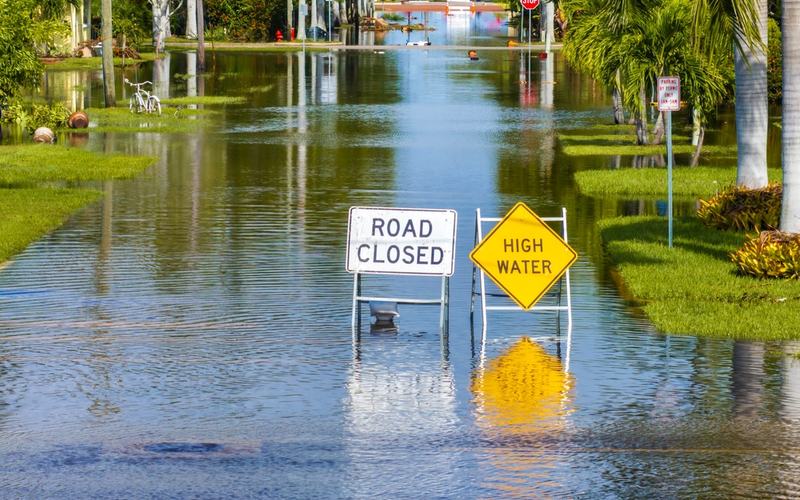
A powerful nor’easter moved slowly along the U.S. Northeast on Saturday, bringing strong winds, heavy rain, flooding, and dangerous coastal conditions from the Mid-Atlantic through New England.
The storm caused widespread disruptions and left roughly 100,000 customers without power across the region as falling trees and strong winds damaged infrastructure. Emergency crews worked to restore electricity while officials warned that conditions could worsen Sunday.
In Brooklyn, New York, a New York City Housing Authority employee was killed after being struck by a falling tree as the storm moved through the city.
Tens of millions of people remained in the storm's path Sunday, with forecasters warning of significant coastal flooding as high tides combine with heavy rain and powerful waves. The Federal Emergency Management Agency said response coordination centers in affected areas were operating at an enhanced posture, while teams were on standby in New England.
The National Weather Service warned that the region could experience several more days of high winds, elevated tides and heavy rain. The highest tides were expected north of Atlantic City, New Jersey, from Saturday night into Sunday, creating the possibility of widespread flooding along coastal and bayside roads.
New York Gov. Kathy Hochul warned residents to stay away from the water as dangerous conditions developed along the coast.
Flooding affected communities in New York and New Jersey, with some residents using kayaks to navigate inundated streets. Emergency crews in Sea Bright, New Jersey, rescued a woman and her dog after their vehicle became trapped in floodwaters.
In Surf City, New Jersey, marina owner Kenny Formica watched surveillance footage as floodwater entered his property. Formica said water had entered the building only once before in his memory, during Hurricane Sandy in 2012, which caused more than $4 million in damage to his business.
Before the storm arrived, marina workers secured dock lines, moved equipment and other loose items and relocated vehicles to higher ground. Formica said customers later reported missing boats and personal watercraft, including one 25-foot boat that was blown from its lift.
The storm also caused major travel disruptions. Hundreds of flights were canceled at Boston Logan International Airport, while most flights serving Martha’s Vineyard and Nantucket were also canceled.
Flooding on North Carolina's Hatteras Island disrupted travel and even affected a wedding. A Virginia couple reached the island before the storm, but many of their approximately 45 guests were stranded because of a highway closure.
A local campground stepped in by offering a new wedding venue, cabins and an officiant, while a DJ volunteered to provide music. The road to Hatteras Island remained closed, and ferry service was also suspended, leaving boat travel as the only option until emergency ferry operations could resume.
North Carolina officials said emergency ferry service would soon begin between Hatteras Island and the mainland. Gov. Josh Stein said state and county emergency personnel were working to reconnect residents and visitors.
The storm's slow movement has increased concerns about beach erosion because the coastline is being subjected to prolonged periods of strong winds and large waves. Forecasters said waves could reach 20 feet in some areas.
While nor’easters are common in New England during the fall, National Weather Service forecasters said the timing of this storm was somewhat earlier than usual for a system of its size.
Officials continued urging residents in coastal areas to monitor local warnings as flooding, high winds and dangerous surf were expected to persist into Sunday and beyond.

Comments
No comments yet. Be the first to share your thoughts.