
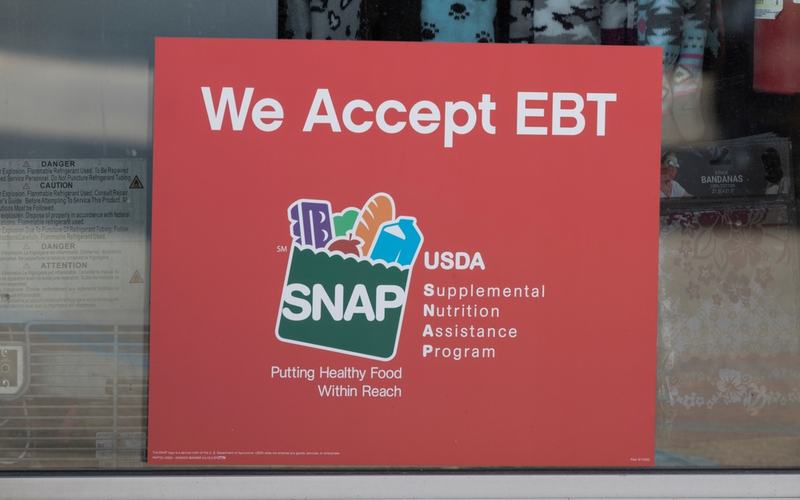
The Trump administration proposed a rule Tuesday that would cut nearly $45 billion in federal spending on the Supplemental Nutrition Assistance Program over five years by tightening eligibility standards.
The U.S. Department of Agriculture plan targets broad-based categorical eligibility, a policy that allows states to automatically qualify households for SNAP if they receive certain other assistance. The change would limit that flexibility and enforce stricter income and asset limits set by Congress.
USDA analysis shows the proposal would remove about 6.3 million people, or nearly 18 percent of current recipients, from the program by fiscal year 2029 when fully implemented. It would also reduce state spending on SNAP by roughly $5.2 billion over the same period.
Administration officials described the move as correcting a loophole that has expanded welfare rolls for decades and allowed households with incomes or resources above federal limits to receive benefits. The policy change aligns with long-standing Republican priorities, including recommendations in the Heritage Foundation’s Project 2025 blueprint.
The proposal builds on earlier reforms enacted through the One Big Beautiful Bill Act signed in July 2025. More than 5.5 million people have already lost SNAP access since then, bringing enrollment to around 36 million.
Public comments on the rule will be accepted for 30 days. If finalized, the changes would standardize eligibility across states and focus benefits more narrowly on households meeting core congressional requirements.
Critics argue the shift would primarily affect working families, seniors, and people with disabilities. Supporters counter that it restores integrity to a program long criticized for waste and improper payments.

Comments
No comments yet. Be the first to share your thoughts.