
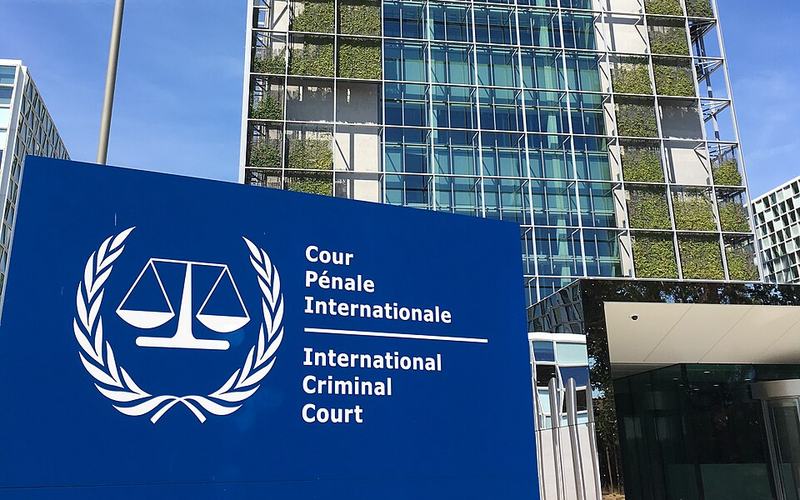
The Trump administration announced sanctions against the International Criminal Court on Friday, banning U.S. transactions with the Hague-based tribunal in a move to shield American personnel and allies from what officials described as politicized prosecutions.
Secretary of State Marco Rubio stated that the sanctions would cut off resources to the court and cripple its operations against the United States. He emphasized that Americans are not subject to the jurisdiction of what he called a rogue and fake institution.
Today, the Trump Administration is sanctioning the ICC.
— Secretary Marco Rubio (@SecRubio) October 9, 2026
This action should encourage our Allies within the Court to work for solutions to end this threat to U.S. sovereignty forever. pic.twitter.com/D86dCqLUaZ
The action targets the ICC as an entity, expanding on prior measures that sanctioned individual judges, prosecutors, and supporting groups. It follows the court's investigations into U.S. actions in Afghanistan and its arrest warrants for Israeli Prime Minister Benjamin Netanyahu and former Defense Minister Yoav Gallant over events in Gaza.
The sanctions prohibit most transactions involving U.S. persons or companies with the ICC, though the Treasury Department issued limited exemptions for telecommunications, software, pension payments, and matters related to detainees. Officials structured the measures to give the court and member states time to comply with U.S. demands.
The ICC responded by condemning the sanctions as an attempt to obstruct justice and an assault on the international legal order. Deputy Prosecutor Karim Khan said the tribunal's work would continue despite the pressure.
The timing came hours after former ICC judge Navi Pillay received the Nobel Peace Prize. The administration has long criticized the court for exceeding its mandate and unfairly targeting U.S. military and intelligence operations, as well as close allies.
Rubio called on NATO partners and other allies to support efforts against the court, noting their reliance on American defense capabilities. The move aligns with broader administration goals of prioritizing national sovereignty over international institutions.

Comments
No comments yet. Be the first to share your thoughts.