
President Donald Trump said Monday that the United States was unlikely to launch new strikes against Iran, citing positive momentum in negotiations and preferences from Gulf allies to maintain the current approach.
Speaking after a White House meeting with Qatari Prime Minister Sheikh Mohammed bin Abdulrahman Al-Thani, Trump described Iran's military capabilities as "effectively over" and indicated that further offensive operations did not appear necessary. He emphasized that the U.S. remained "locked and loaded" and prepared to respond if circumstances changed.
"We're just keeping it the status quo," Trump told reporters. "And we're doing that really at the behest of countries that are their neighbors." He specifically referenced Qatar, Saudi Arabia, the United Arab Emirates, Bahrain, and Kuwait as favoring continued pressure through a naval blockade in the Strait of Hormuz rather than escalation.
The remarks come days after Republican setbacks in last week's midterm elections, which some party figures attributed in part to the ongoing conflict that began in February. Trump has defended the initial military campaign alongside Israel, describing it as a historically significant action that weakened Iran's regime and protected regional allies.
In addition to the blockade, Trump highlighted a new operation called Task Force Iron Gate aimed at disrupting Iran's overland smuggling routes for weapons and technology. He posted on Truth Social that the U.S. would stay ready but viewed renewed strikes as "quite unlikely" under current conditions.
Iranian officials have expressed skepticism about the durability of any de-escalation, while Trump noted progress in talks mediated by Qatar. He stressed that any final agreement must prevent Iran from acquiring nuclear weapons, a non-negotiable position.
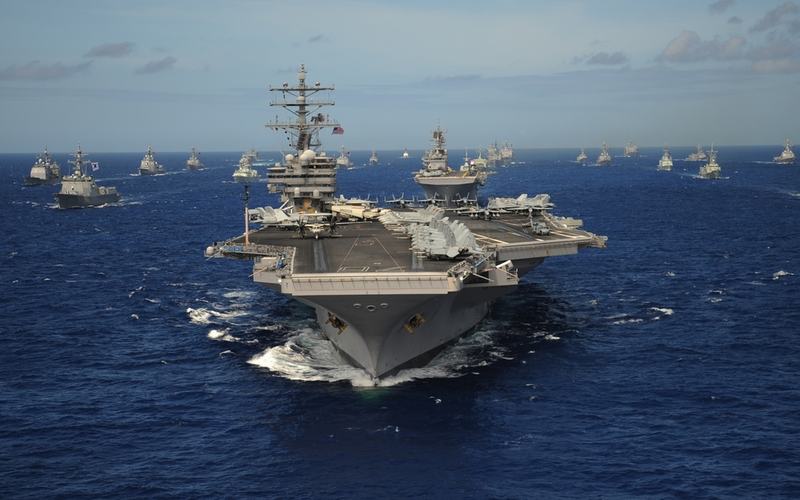
The president reiterated U.S. military readiness, including aircraft carriers positioned in the region, while signaling a preference for diplomacy supported by strength and allied input over immediate further strikes.

Comments
No comments yet. Be the first to share your thoughts.