
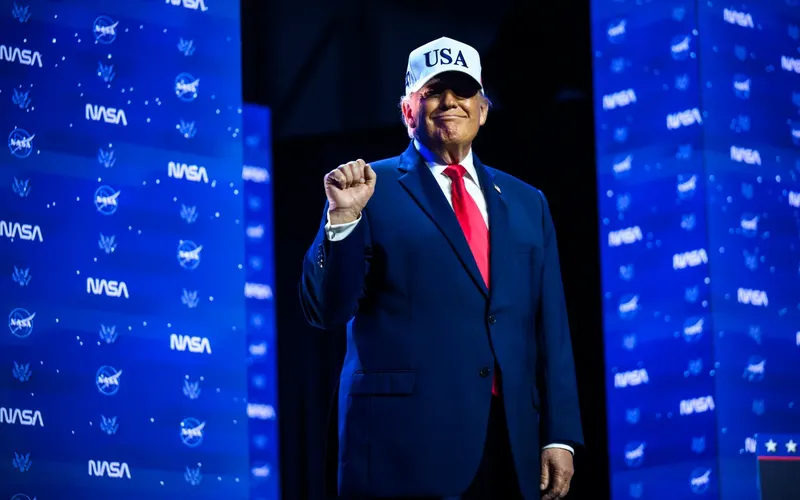
President Donald Trump is doubling down on his signature policies in the days since Democrats secured majorities in both chambers of Congress during the November 3 midterm elections.
The results handed Democrats control of the House with at least 259 seats and the Senate with 56 seats, marking significant Republican losses even in traditionally red states. Trump has responded by advancing new tariffs on China and key trading partners, pushing for the reinstallation of Nvidia CEO Jensen Huang, and signaling continued focus on hardline immigration measures.
In recent public statements, Trump has emphasized his veto power over legislation from the incoming Democratic Congress. He described the veto as the "ultimate power" and indicated he stands ready to block measures that do not align with his views. White House officials have also noted consideration of further steps in the ongoing conflict with Iran, a policy Trump has defended despite voter concerns over its economic effects.
Trump appointed Stephen Miller, a key architect of his immigration agenda, as White House chief of staff shortly after the election. The move underscores his intent to maintain momentum on enforcement priorities rather than moderate in response to the results.
While some Republicans have called for reflection, Trump has attributed the party's performance to factors such as candidate quality and the absence of his name on the ballot. He has continued to highlight achievements abroad and at home, including international engagements and domestic economic claims, while rejecting calls for a strategic shift.
With two years remaining in his term, Trump retains substantial executive authority. Observers note his ability to issue executive orders, manage foreign policy, and influence investigations as tools to shape the agenda moving forward. Democrats have pledged oversight and legislative challenges, setting up potential clashes in the divided government.
Trump's approach reflects a consistent pattern of prioritizing core supporters and policy goals over electoral recalibration. As the new Congress prepares to convene in January, the president's actions suggest ongoing resistance to opposition priorities on trade, borders, and national security.

Comments
No comments yet. Be the first to share your thoughts.