
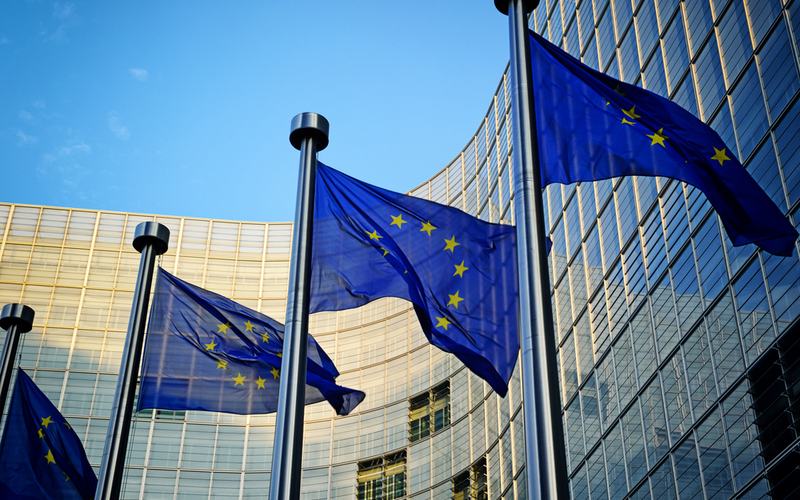
UK Prime Minister Andy Burnham met European Council President António Costa and European Commission President Ursula von der Leyen in Brussels on Friday for the second EU-UK summit since Brexit.
The leaders finalized a package of agreements aimed at easing trade frictions and increasing people-to-people contacts. Key elements include a sanitary and phytosanitary deal that removes many border checks on animal and plant products, potentially adding up to £5.1 billion annually to the British economy. The sides also linked their emissions trading systems, exempting goods such as steel from carbon border levies.
A youth mobility scheme will allow up to 100,000 young people from each side to live, work, or study in the other for up to three years. British negotiators had sought a lower cap, citing immigration concerns that helped drive the original Brexit vote.
Downing Street described the overall deal as done, with implementation timelines set for the new measures. A joint statement is expected later Friday.
Divisions remain over tuition fees for EU students at British universities. EU officials have pressed for home-rate eligibility, a change that could cost hundreds of millions of pounds. Talks on that issue continue, with a six-month deadline mentioned in some reports.
The summit was postponed from July after the resignation of Burnham's predecessor, Keir Starmer. Burnham has described closer ties as pragmatic and has said Brexit has not delivered the benefits some expected. The agreements fall short of full regulatory alignment or single-market access.
Both sides also discussed security cooperation, energy, and migration enforcement. Officials noted the need for continued dialogue on long-term relations amid global challenges including the war in Ukraine.

Comments
No comments yet. Be the first to share your thoughts.