
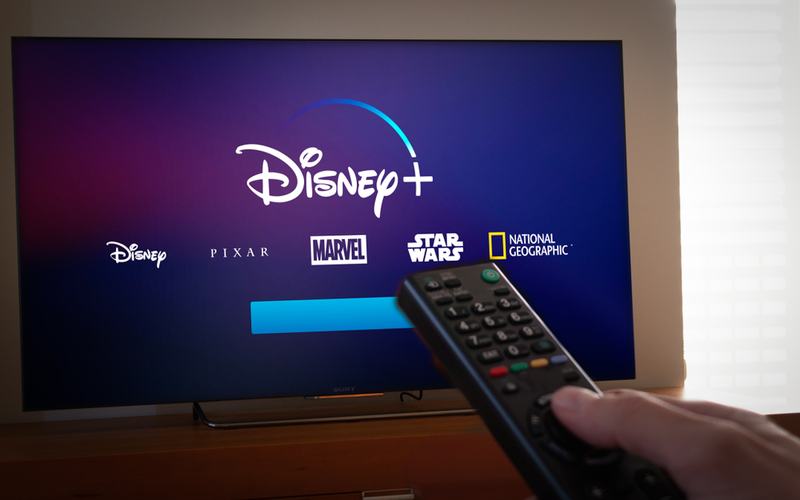
The British government is considering extending its annual television license fee to households that watch streaming platforms such as YouTube, Netflix and Disney+, potentially requiring millions of people to pay for access to services that are currently exempt when used for on-demand viewing.
The proposal is expected to feature in a government white paper on the renewal of the BBC’s Royal Charter, which is scheduled to be published before Christmas. The review is examining how the publicly funded broadcaster should be financed as more viewers move away from traditional television toward online streaming.
The existing TV licence costs £180 annually, equivalent to approximately $240. Under current rules, households generally need a licence to watch live television on any channel or service or to watch programmes through BBC iPlayer. However, people who watch only on-demand content from services such as Netflix, Disney+ and YouTube do not ordinarily need a licence.
That distinction could change if the government adopts the proposed expansion. Households that have avoided the fee by watching only on-demand streaming content could be brought into the licensing system, even if they do not regularly watch BBC programming.
The BBC has argued that its funding model must adapt to modern viewing habits as the number of licence fee payers declines. The broadcaster relies primarily on the fee to finance its television, radio and online services, and the government is examining options to provide it with sustainable funding for the next charter period.
Reports indicate that the number of active licences has fallen substantially in recent years, adding pressure on the BBC to secure additional revenue. Supporters of expanding the fee argue that the existing system no longer reflects how people consume television and online video.
However, the proposal could prove controversial among households that pay separately for streaming subscriptions and do not use BBC services. Critics may object to being required to pay an additional annual charge simply because they watch entertainment online, particularly as families continue to manage other household expenses.
The government has not finalized the proposal. Officials are reviewing responses to the BBC Charter consultation and are expected to outline their decisions in the forthcoming white paper. Any eventual changes would form part of the process of determining how the BBC operates and receives funding under its next charter, which is due to take effect in 2028.
For now, the $240 licence fee remains in place under existing rules. Whether the government will extend it to streaming-only households, and how such a system would be enforced, remains to be determined

Comments
No comments yet. Be the first to share your thoughts.