
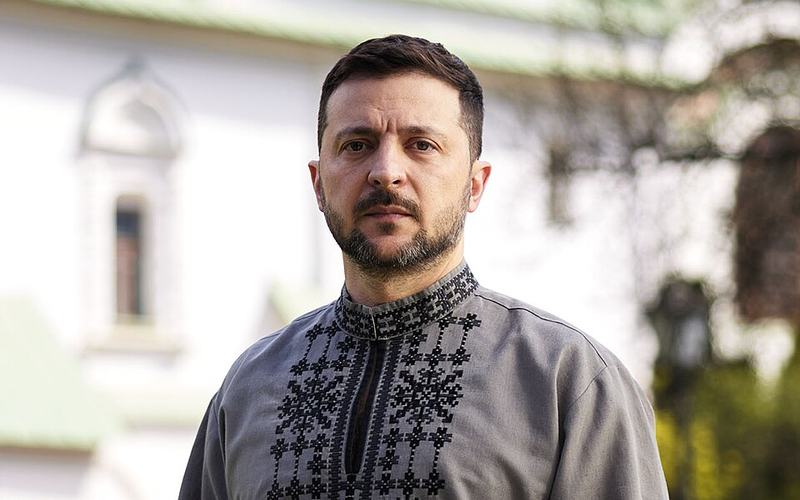
Ukrainian President Volodymyr Zelenskyy described renewed peace negotiations with Russia as “constructive and quite substantive” Tuesday after roughly four hours of U.S.-brokered discussions in Abu Dhabi, United Arab Emirates. The meeting brought together representatives from Washington, Moscow and Kyiv for the first direct trilateral talks since February. The delegations agreed to resume negotiations Wednesday.
Zelenskyy identified three main areas of discussion: humanitarian measures and prisoner exchanges, long-term security guarantees for Ukraine, and possible steps toward reducing hostilities. He said the release of prisoners remained a priority and stressed that Ukraine needed guarantees capable of preventing another Russian invasion.
Secretary of State Marco Rubio also called the discussions “very productive” while speaking in Paris, although he cautioned that significant work remained before an agreement could be reached. President Donald Trump's son-in-law Jared Kushner and special envoy Steve Witkoff represented the United States. Ukraine's delegation was led by Rustem Umerov, head of its Foreign Intelligence Service, while Russian presidential aide Vladimir Medinsky headed Moscow's team. Neither Zelenskyy nor Russian President Vladimir Putin attended.
Major disagreements remain, particularly over territory and Ukraine's future security. Russia controls approximately one-fifth of Ukraine and demands that Kyiv surrender the remaining Ukrainian-held territory in the eastern Donbas region. Moscow also wants Ukraine to abandon its NATO ambitions and accept restrictions on its military.
Zelenskyy has rejected those demands, arguing that territorial concessions and military limitations could leave Ukraine vulnerable to another invasion. Reuters reported that U.S. negotiators believe the two leaders might eventually accept a territorial compromise, but a senior Ukrainian official disputed suggestions that Kyiv would consider such concessions.
The countries also disagree over the sequence of steps toward peace. Ukraine wants an immediate ceasefire followed by negotiations on a comprehensive settlement, while Russia insists that broader security arrangements must come first. Russian Foreign Minister Sergey Lavrov reiterated Moscow's position Tuesday, while European Commission President Ursula von der Leyen said broader security negotiations should follow a ceasefire. Rubio said Washington hopes to eventually include European representatives in the talks.
The negotiations are continuing amid ongoing attacks. Russian forces struck 10 Ukrainian regions and five major electrical substations overnight, causing power outages and killing two people, Reuters reported. Ukraine has meanwhile intensified drone attacks against Russian oil refineries and other infrastructure.
Trump expressed optimism Monday, saying Washington was seeing a “very strong inclination” toward ending the war because both countries were exhausted by the fighting. Zelenskyy has instructed his delegation to continue negotiations Wednesday and pursue further discussions with American and European officials in the coming days.

Comments
No comments yet. Be the first to share your thoughts.