
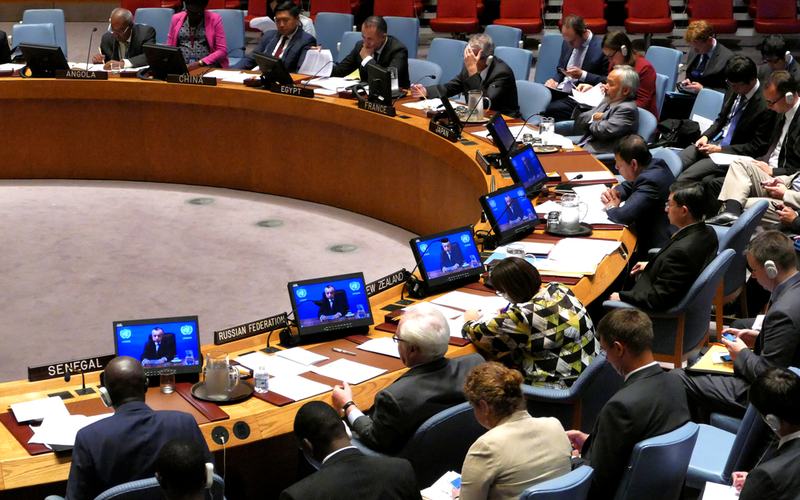
The race to replace United Nations Secretary-General Antonio Guterres has stalled, raising the prospect of a leaderless world body after his term ends on December 31. With just over six weeks remaining, the Security Council's five permanent members have not reached consensus despite multiple voting rounds.
Rebeca Grynspan of Costa Rica remains the frontrunner, leading in seven of the eight straw polls held since July. She secured 12 encourage votes and three discourage votes in the most recent non-color-coded ballot on November 5. Other contenders, including Argentina's Rafael Grossi and several newer entrants, have also fallen short of the nine affirmative votes needed without a veto from any permanent member.
Officials are preparing contingency plans for the unprecedented scenario of no secretary-general at the start of 2027. Guterres has ruled out serving in an interim capacity. The process highlights deep divisions among the United States, Russia, China, Britain, and France, compounded by broader geopolitical tensions.
Another secret straw poll is scheduled this week, potentially clarifying whether Grynspan can overcome objections from permanent members. Analysts note that the opaque, lengthy selection system itself contributes to the gridlock the next leader would be expected to address.
A leaderless UN would complicate key decisions on appointments and responses to global crises at a time when the organization already faces questions over its effectiveness and relevance.

Comments
No comments yet. Be the first to share your thoughts.