
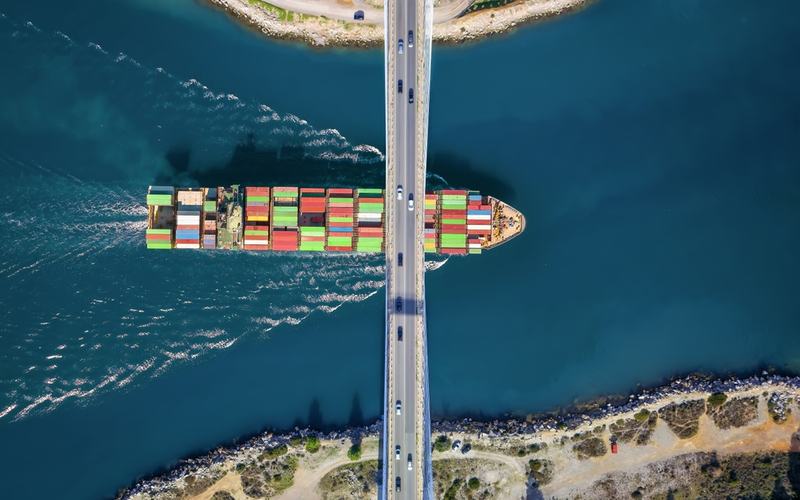
The United States Treasury Department's Office of Foreign Assets Control issued an advisory on May 1, cautioning shipping companies worldwide against paying tolls or fees to Iran for passage through the Strait of Hormuz. The alert specifies that such payments, regardless of form, including cash, digital assets, offsets, informal swaps, in-kind contributions, or even charitable donations, could expose shippers to sanctions.
"OFAC is issuing this alert to warn U.S. and non-U.S. persons about the sanctions risks of making these payments to, or soliciting guarantees from, the Iranian regime for safe passage," the advisory stated. It highlighted potential conduits like the Iranian Red Crescent Society, Bonyad Mostazafan, or payments at Iranian embassies.
The warning comes amid heightened tensions in the Strait of Hormuz, a chokepoint for about 20% of global seaborne crude oil and liquefied natural gas trade. Iran closed the Strait after the U.S. and Israel initiated military actions against it on February 28, 2026. Tehran subsequently offered limited safe passage near its shores, sometimes demanding fees.
A fragile ceasefire took hold around April 7 following a pause in attacks, but a U.S. naval blockade of Iranian ports persists into its third week, halting dozens of commercial vessels. U.S. Central Command reported that 48 ships have been turned back. Iran has proposed tolls as part of ceasefire negotiations mediated through Pakistan, though talks remain stalled after President Donald Trump rejected Tehran's latest 14-point counterproposal to a U.S. nine-point plan.
Reports indicate that at least one vessel paid $2 million for transit as early as April 7. Treasury Secretary Scott Bessent emphasized the U.S. commitment to disrupting Iran's finances, announcing new sanctions on three Iranian currency exchange houses handling billions annually, their front companies, and the Panama-flagged tanker NEW FUSION.
Iranian President Masoud Pezeshkian called the U.S. blockade "intolerable," while Foreign Minister Abbas Araghchi urged Washington to abandon its "expansionist approach." Tehran handed a new peace proposal to mediators on Thursday, but a White House spokesperson reiterated that Iran cannot possess nuclear weapons.
The U.S. action aims to prevent Iran from turning the international waterway into a revenue stream, underscoring efforts to maintain open global trade routes. Over 40 countries, led by the UK, have pressed Iran to reopen the strait fully. Analysts note China, Iran's top oil buyer, may continue purchases absent broader sanctions on its banks.

Comments
No comments yet. Be the first to share your thoughts.