
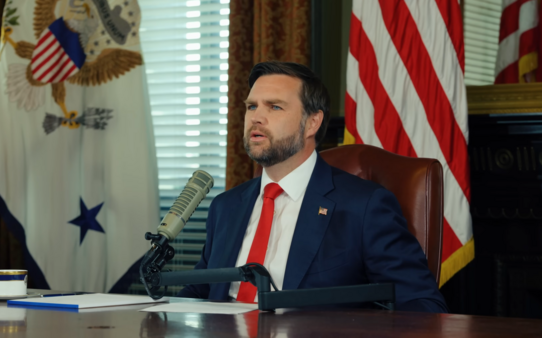
Vice President JD Vance said this week that Iran must make a meaningful reduction in its nuclear enrichment capacity to meet U.S. demands and conclude the seven-month war between the two nations.
Speaking in an exclusive interview with Reuters after a campaign trip in Alaska, Vance emphasized that any agreement requires concrete action on enrichment rather than promises of future limits. "If you don't want a nuclear weapon, then why do you need 60% enriched fuel?" Vance asked. "If you want to show commitment to not building a nuclear weapon, don't build highly enriched fuel. That's a very basic threshold issue."
Vance added that Iran would need to demonstrate seriousness through steps on its enrichment capacity. The United States remains open to a deal but will not accept words in place of actions, he said.
The comments come as Washington and Tehran have exchanged proposals in recent weeks aimed at ending the fighting and reopening the Strait of Hormuz, a critical global energy route. President Trump rejected Iran's latest offer and warned that military operations could intensify after the midterms.
The war has disrupted energy markets and added pressure on the administration amid rising fuel prices ahead of the November elections. Vance has played a central role in the negotiation efforts.
Earlier this year, U.S. strikes and negotiations had already set back Iran's nuclear program significantly, according to administration officials. Vance has previously noted that Iran's enrichment facilities faced major damage and that verification remains essential.
The administration's position reflects a consistent demand for verifiable, irreversible steps on Iran's nuclear capabilities rather than temporary freezes or unenforceable commitments.

Comments
No comments yet. Be the first to share your thoughts.