
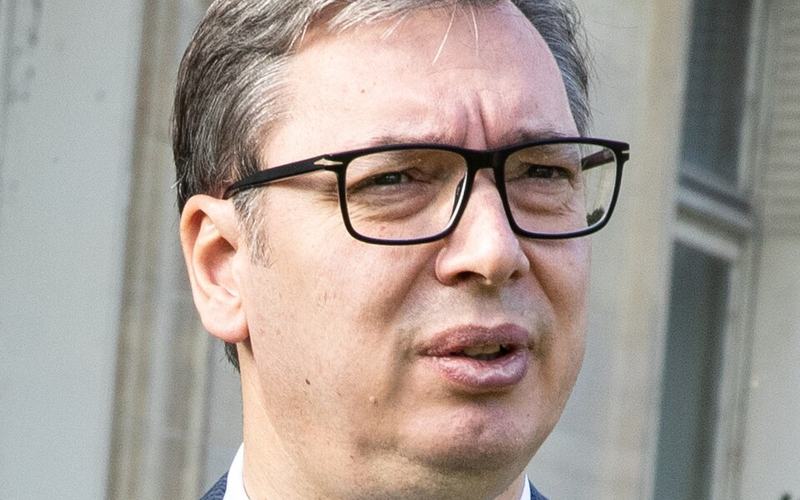
Serbian leader Aleksandar Vučić conceded defeat Sunday in snap parliamentary elections, projecting that a student-led opposition list had secured enough seats to form a government without coalition partners.
Speaking to supporters in Belgrade as votes were tallied, Vučić said the Student List would win between 135 and 140 seats in the 250-seat National Assembly, while his Serbian Progressive Party-led coalition would take about 105. No other parties were expected to enter parliament aside from ethnic minority representatives, according to his assessment of preliminary samples.
The outcome ends more than 14 years of dominance by Vučić's party. He had called the early vote in September after nearly two years of student protests sparked by the November 2024 collapse of a railway station canopy in Novi Sad that killed 16 people. Demonstrators had accused the government of corruption and negligence.
Turnout reached nearly 70 percent, the highest since the breakup of Yugoslavia in 1992. Polling stations saw long lines across the country as voters expressed a desire for change.
Vučić attributed the loss to foreign interference, including claims of aid to the opposition and influence from European countries and what he called the "American deep state." He also pointed to coverage by independent media. The Student List, drawn from the protest movement, received an estimated 2.2 million votes compared with about 1.7 million for Vučić's list.
Celebrations broke out in Belgrade and other cities after the concession. Crowds honked car horns, chanted "victory," and gathered near the Student List headquarters, where a university professor speaking for the movement declared that "the voice of the people is being heard."
The Republic Electoral Commission continued counting official results late Sunday. Independent pollsters projected similar outcomes to Vučić's figures, with the Student List on track for an absolute majority.
The election marks a significant shift in Serbian politics, where Vučić had served as prime minister from 2014 and president from 2017 until stepping down to lead his party's campaign. The student movement's rapid rise from localized protests to a national contender reshaped the contest.

Comments
No comments yet. Be the first to share your thoughts.