
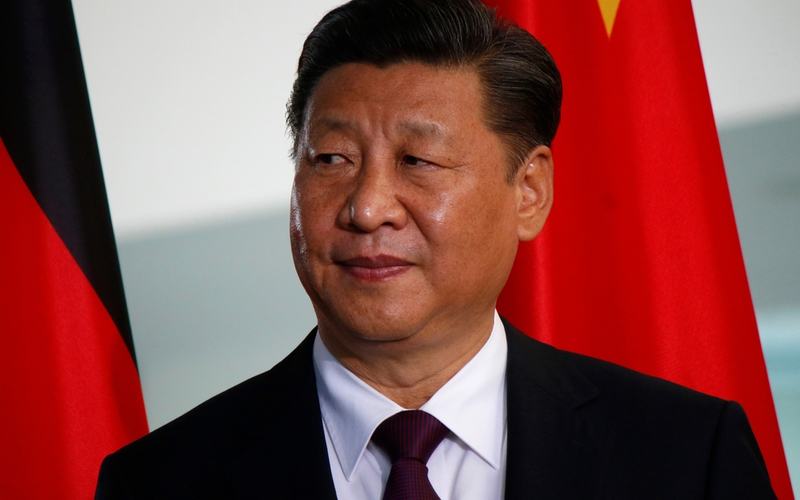
Chinese President Xi Jinping used a high-profile summit with President Donald Trump to press for a stronger U.S. stance against Taiwanese independence. The meeting took place at the White House this week.
Xi called on Washington to adopt the "correct position of opposing 'Taiwan independence'" and handle the Taiwan question with prudence, according to China's official Xinhua News Agency. This marked one of Beijing's most explicit calls yet for the U.S. to shift its longstanding policy language from "does not support" independence to outright opposition.
Trump welcomed Xi with significant fanfare, including a state visit and public praise for their personal rapport. The president highlighted shared history, noting that the two nations had been allies in World War II. The leaders discussed trade, artificial intelligence, and broader strategic issues, extending an existing trade truce by two months.
Taiwan's foreign ministry quickly denounced Xi's remarks as a distortion of facts. Officials in Taipei emphasized that the island's sovereignty belongs to its people and rejected any unilateral claims by Beijing.
The exchange underscores ongoing tensions over the self-governed island, which China claims as its territory. The United States maintains a policy of strategic ambiguity on defending Taiwan while providing arms for its self-defense. No immediate change in U.S. policy emerged from the talks, and the White House has not issued a detailed readout confirming any shift.
Analysts noted that Beijing appears focused on locking in gains while relations show signs of stabilization. Trump has previously paused a major arms package for Taiwan as a potential bargaining chip. Chinese pressure on the issue comes amid broader competition, including disputes over technology and rare earth minerals.
The summit reflected a mix of diplomacy and hard lines. While both sides emphasized cooperation where possible, Xi made clear that Taiwan remains a core red line for China. Taiwan denounced the push as an attempt to erode international support for the democratic island.
U.S. officials have long avoided explicit opposition to Taiwanese independence to preserve flexibility. Any formal change would likely face strong bipartisan resistance in Congress, where support for Taiwan remains robust.
The latest meeting builds on prior encounters this year, including one in May. Both leaders described the relationship in positive terms publicly, yet substantive differences on security issues persist. The next planned talks are set for November following U.S. midterm elections.

Comments
No comments yet. Be the first to share your thoughts.