
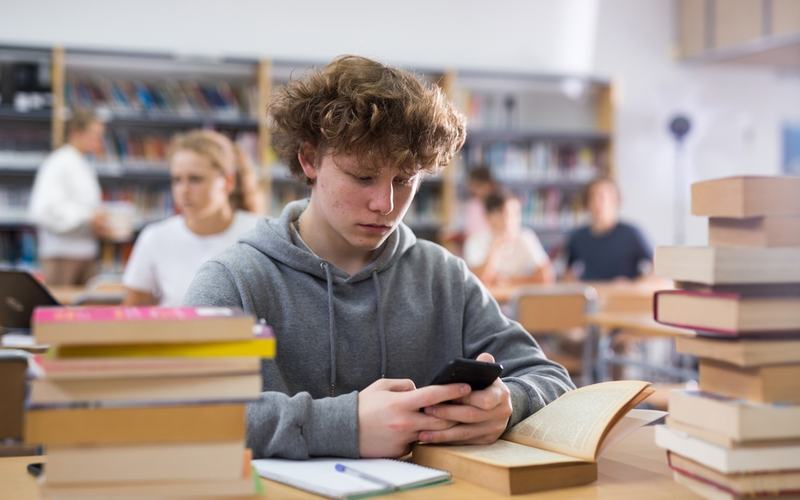
Thirty-nine states and the District of Columbia now have restrictions in place to ban or limit cell phones in schools, according to a recent tally of state policies.
The surge in such measures began after Florida became the first state to enact a major statewide ban in 2023. Since then, lawmakers across the country have moved to reduce distractions in classrooms, citing concerns over declining student attention, mental health impacts from social media, and rising behavioral issues.
Many of the new rules distinguish between full “bell-to-bell” prohibitions that bar phones for the entire school day and more targeted limits that apply only during instructional time. Exemptions commonly exist for students with documented medical needs or individualized education programs.
Advocates for the restrictions argue that removing constant access to devices improves focus, reduces cyberbullying during school hours, and supports better academic performance. School administrators in states with earlier policies have reported fewer disciplinary incidents and greater student engagement once phones are secured in lockers or pouches.
The timing aligns with the start of the 2026-27 school year for many districts. Several states passed or strengthened their laws in the past legislative session, giving schools the summer to prepare implementation plans and communicate expectations to families.
Critics of the bans have raised questions about enforcement challenges and emergency communication needs, though most policies allow limited exceptions for safety situations. Parents and educators in support of the changes point to mounting evidence linking excessive screen time to anxiety and sleep problems among adolescents.
The remaining states without statewide mandates generally leave policy decisions to local school boards, resulting in a patchwork of rules even within those jurisdictions. As the school year begins, districts in the 39 states with restrictions are rolling out training and storage solutions to ensure smooth compliance.
Education officials expect the trend to continue as more data emerges on the effects of phone-free environments on student outcomes.

Comments
No comments yet. Be the first to share your thoughts.