
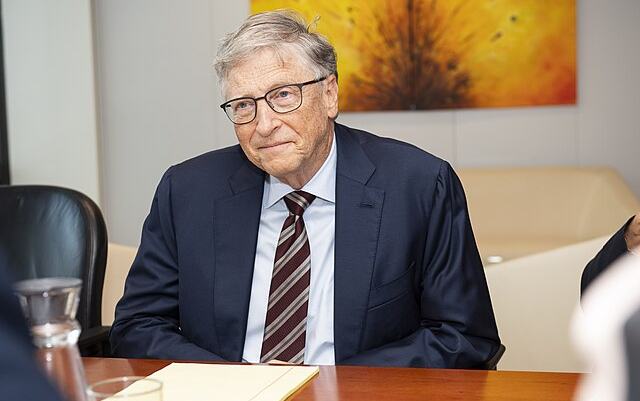
Bill Gates warned that artificial intelligence poses greater dangers than the tech industry publicly acknowledges, including mass unemployment and bioterrorism.
In an interview with The New York Times and a nearly 6,000-word essay published on his personal website today, the Microsoft co-founder said the industry knowingly minimizes threats because of the financial stakes involved. "In private, people who understand how good this stuff is, and how much better it’s getting, they’re very worried," Gates said. He added that executives tell each other not to voice concerns publicly to avoid harming fundraising efforts for the next trillion dollars.
Gates described AI as "the most dangerous tool ever invented" and argued that recent advances have exceeded expectations, bringing risks such as permanent job losses across sectors, easier creation of biological weapons, and potential loss of human control over advanced systems. He rejected self-regulation by companies and called for international oversight, new taxes on AI use, and bans on certain applications. He also proposed designating some jobs as "human reserved" to preserve roles that should remain with people.
The essay noted that the transition to the AI era will likely be one of the most turbulent periods in human history, with no adequate preparation underway. Gates urged global coordination on regulation to address employment disruptions, safety concerns, and broader societal impacts.
This marks a sharper public stance from Gates, who previously focused more on AI's benefits in areas like healthcare. His comments align with warnings from other tech figures but emphasize industry reluctance to slow progress amid competitive pressures.

Comments
No comments yet. Be the first to share your thoughts.