
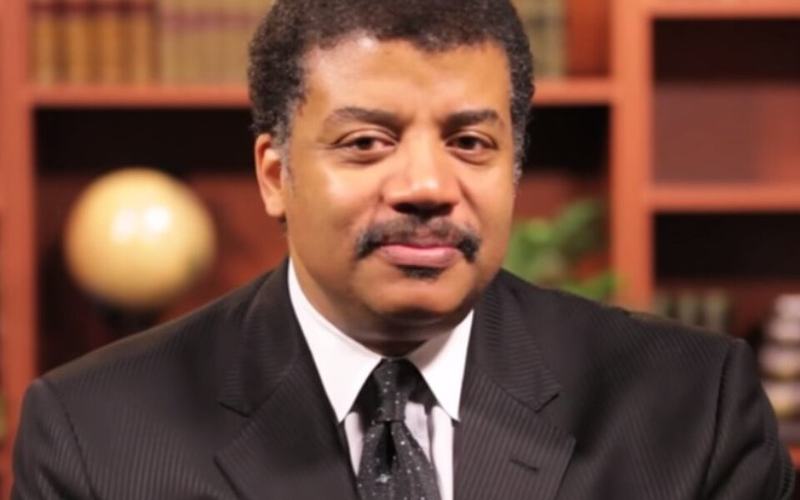
Astrophysicist Neil deGrasse Tyson expressed support for the Trump administration's forthcoming release of government files on unidentified flying objects and extraterrestrials, while cautioning that the disclosures are likely to underwhelm observers.
In an opinion piece published Wednesday in The New York Times, Tyson described the anticipated declassification as "a good thing," despite viewing it as potentially anticlimactic following years of congressional testimonies from whistleblowers. He noted that insiders had already testified under oath in 2023, 2024, and 2025 about alleged crashed flying saucers, extraterrestrial bodies, and secret alien technology programs.
"I expect the alien files will be anticlimactic," Tyson wrote. "After a parade of alien insiders and whistle-blowers testified under oath to Congress in 2023, 2024, and 2025, what’s left to learn?"
Tyson humorously suggested he would prefer the files to include an actual alien specimen. "Personally, I’d be delighted if the files were accompanied by an actual alien. Alive or dead or undead. Preferably alive. Is that too much to ask for?" he stated. He argued that tangible proof, such as a living extraterrestrial emerging from Congress, would settle debates over alien existence, likening it to the undisputed reality of elephants.
The op-ed arrives amid heightened anticipation sparked by President Donald Trump. Last month, at a Turning Point USA event in Phoenix, Trump announced he had directed Defense Secretary Pete Hegseth to initiate the release of files on UFOs and unidentified anomalous phenomena, or UAPs. "I recently directed the Secretary of War … to begin releasing government files relating to UFOs and unexplained aerial phenomena," Trump said. "This process was well underway, and we’ve found many interesting documents, I must say, and the first releases will begin very, very soon."
This builds on prior government efforts, including the Pentagon's 2017 UFO program revealed by The New York Times and the Air Force's Project Blue Book, which examined over 12,000 sightings from 1952 to 1969. Recent Pentagon reviews and NASA studies have not confirmed extraterrestrial links to unexplained sightings, though some cases remain unresolved.
Tyson delved into cultural perceptions of aliens, critiquing Hollywood's humanoid portrayals as inconsistent with expected biodiversity. He speculated that extraterrestrials might view Los Angeles freeways and perceive automobiles as Earth's dominant life form or mistake celebrities for leaders based on media signals. He suggested human fears of hostile aliens reflect Earth's history of violence and oppression rather than interstellar threats.
Ultimately, Tyson quipped that any visiting alien might conclude, "There’s no sign of intelligent life on Earth!" The public remains eager for the files, which Trump indicated would arrive soon.

Comments
No comments yet. Be the first to share your thoughts.