
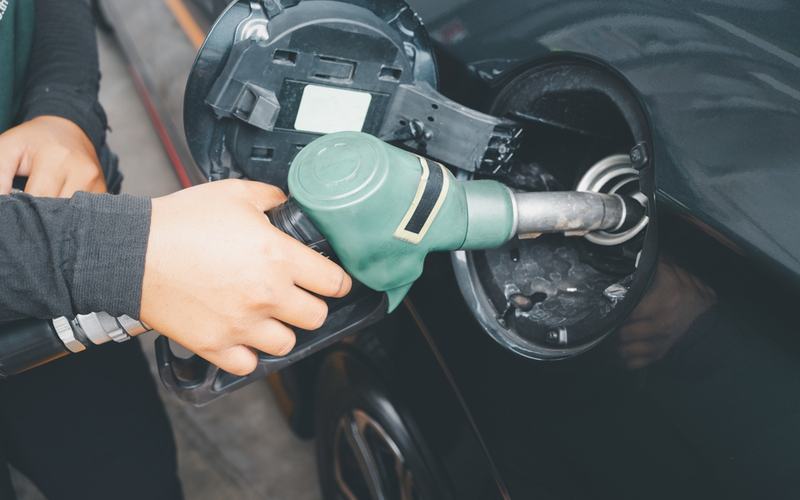
A sharp rise in diesel prices is amplifying economic pressures on American households and businesses, posing fresh challenges for President Donald Trump and Republicans six months before the 2026 midterm elections.
The national average price for diesel fuel reached $5.66 per gallon as of Tuesday, up nearly 30 cents from the previous week and approaching the record of $5.82 set in June 2022. Prices have hit or exceeded that record at about 900 truck stops across the country. This marks a dramatic increase from $3.75 per gallon in February, before the U.S. and Israel launched attacks on Iran. Gasoline prices also climbed, averaging $4.46 per gallon and nearing their own peak of $5.02.
The surge stems primarily from the ongoing war with Iran, which began with U.S.-Israeli strikes in late February. Iran closed the Strait of Hormuz, a chokepoint for 20% of global oil shipments, sending crude prices above $102 per barrel. A fragile ceasefire holds, but recent attacks on shipping and infrastructure raise fears of escalation. Refinery outages have compounded the supply tightness.
Diesel's importance to the economy magnifies the impact. It powers nearly all freight trucking, rail, and shipping, driving up costs for groceries, housing materials, clothing, appliances, and even postage. Analysts note that, unlike gasoline, diesel price hikes linger due to long-term contracts, passing through to consumers over weeks or months. Patrick De Haan, head of petroleum analysis at GasBuddy, said diesel consumption "drives the U.S. economy," warning that effects could worsen before improving and take over a year to fully unwind if Hormuz disruptions persist.
Trucking firms report idling 20% of rigs, with weekly fuel costs rising up to $1,200 per truck. Half are driving fewer miles or lighter loads, deepening a three-year freight recession. Dean Croke of DAT Freight & Analytics predicted transportation costs would become a bigger issue the longer the crisis lasts.
Politically, the spike arrives amid slumping approval for Trump. A new NPR/PBS News/Marist poll showed his approval at 37%, with 59% disapproving, including strong opposition to his handling of Iran at 33%. Democrats lead Republicans by 10 points (52%-42%) on the generic congressional ballot. Some 63% of voters blame Trump for rising gas prices, with 81% saying fuel costs strain budgets; 61% view the Iran war as more harmful than beneficial.
Trump dismissed concerns, stating oil at $102 is "a very small price to pay for getting rid of a nuclear weapon from people that are really mentally deranged," predicting prices would soon fall below pre-war levels. Treasury Secretary Scott Bessent called the spike a "short-term blip." White House spokeswoman Taylor Rogers echoed that disruptions are temporary and prices will plummet once Hormuz normalizes.
Republicans face risks in battleground areas. GOP strategist Chuck Coughlin warned Trump "promised just the opposite" on prices and would pay at the polls. In Iowa, party co-chair Jim Buschkamp noted farmers' mixed feelings: higher costs but perceived global safety gains, urging resolution by October. John Auers of RBN Energy emphasized diesel's broad reach: "It goes into literally everything."
As midterms near, voters' focus on living costs could decide control of Congress.

Comments
No comments yet. Be the first to share your thoughts.