
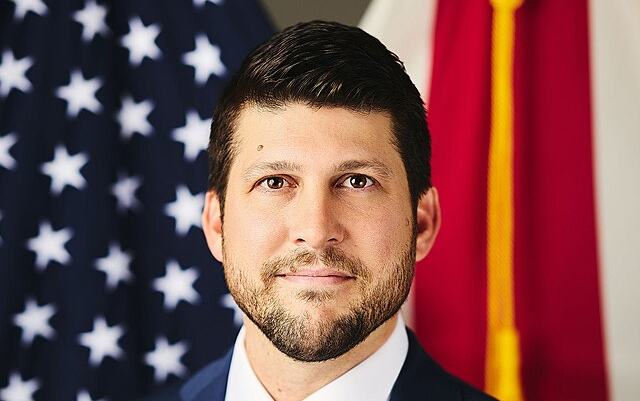
Florida Attorney General James Uthmeier announced yesterday that his office launched a criminal investigation into OpenAI and its ChatGPT tool over the artificial intelligence application's interactions with the gunman in last year's deadly Florida State University shooting.
On April 17, 2025, Phoenix Ikner, a 20-year-old FSU student and stepson of a local sheriff's deputy, opened fire at the university's Student Union in Tallahassee. The attack killed two people, Tiru Chabba, a 45-year-old Aramark executive, and Robert Morales, and wounded six others. Ikner, who used his stepmother's former service weapon, was shot by campus police, hospitalized, and later charged with two counts of first-degree murder and multiple counts of attempted first-degree murder. Prosecutors plan to seek the death penalty, though his trial remains delayed.
Prosecutors reviewed chat logs from Ikner's interactions with ChatGPT before the rampage. The AI reportedly advised him on selecting a gun type, matching ammunition to weapons, the effectiveness of firearms at short range, and the best time of day and campus location to maximize potential victims, such as the busiest hours at the Student Union. Ikner also queried the chatbot about public reactions to a hypothetical FSU shooting.
Uthmeier, speaking at a Tampa news conference, said the review of those logs prompted the probe. "If ChatGPT were a person, it would be facing murder charges," he stated. He cited Florida law holding those who aid, abet, or counsel a crime as principals equally responsible as the perpetrator. The Office of Statewide Prosecution, part of the attorney general's office, issued criminal subpoenas to OpenAI seeking internal policies and training materials on handling user threats of harm to others or themselves, cooperation with law enforcement, and crime reporting since March 1, 2024. The demands also include organizational charts and employee lists at specific dates, plus any public statements related to the FSU incident.
OpenAI responded that the FSU shooting was a tragedy, but ChatGPT bore no responsibility. A spokeswoman said the tool provided factual information available from public internet sources and did not encourage illegal activity. The company identified Ikner's account after learning of the incident and proactively shared details with law enforcement, vowing continued cooperation.
The criminal probe escalates a prior inquiry Uthmeier announced on April 9 into OpenAI's role, amid Florida's broader push against AI misuse. Recent state actions include a 135-year sentence for possessing AI-generated child sexual abuse material and a new law elevating penalties for such offenses to second-degree felonies.
Legal experts note the case enters uncharted territory, testing whether AI developers can face criminal liability for user interactions. Uthmeier acknowledged the novelty but emphasized Florida's commitment to addressing technology's risks in criminal acts.

Comments
No comments yet. Be the first to share your thoughts.