
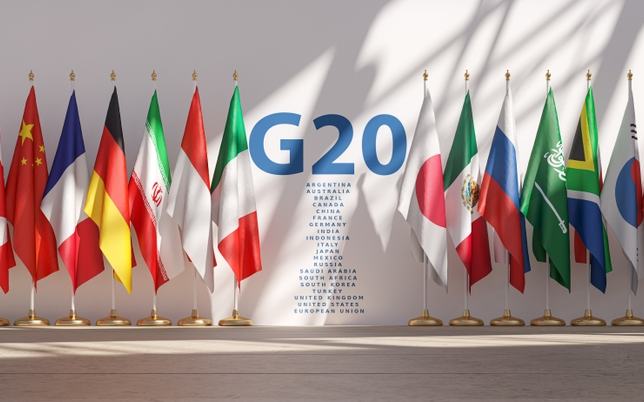
Finance ministers from G20 nations voiced sharp criticism of U.S. tariffs and the ongoing conflict with Iran during a two-day meeting that concluded Tuesday in Asheville, North Carolina.
German Finance Minister Lars Klingbeil highlighted the U.S.- and Israeli-led actions against Iran along with American tariff disputes as major sources of global economic uncertainty. "The tariff conflicts being pursued by the U.S., such as the current dispute with Canada, destroy trust," he said. European officials noted that the conflict has disrupted energy markets and shipping through the Strait of Hormuz.
U.S. Treasury Secretary Scott Bessent pressed allies for support on sanctions against Iran as part of what the administration calls Operation Economic Outcast. He reported that the European Union offered fulsome support for additional economic pressure on Tehran. Bessent also secured backing from 19 members for action against non-market policies and cheap exports, primarily from China, with Beijing as the sole dissenter.
The meeting exposed strains in alliances. Allies raised questions about recent U.S. moves on currency markets and expressed frustration that some policies have hindered growth elsewhere. No joint communique emerged due to the lack of consensus.
Bessent described quiet discussions with China and Russia on Iran and emphasized shared interests in preventing a nuclear Iran and ensuring free maritime trade. The U.S. plans further sanctions on Iranian-linked banks in the coming days.
The gathering occurred amid broader trade tensions, including escalating tariffs between the U.S. and Canada. Despite the criticisms, the Trump administration maintains that its policies target real imbalances and security threats that previous approaches failed to address.

Comments
No comments yet. Be the first to share your thoughts.