
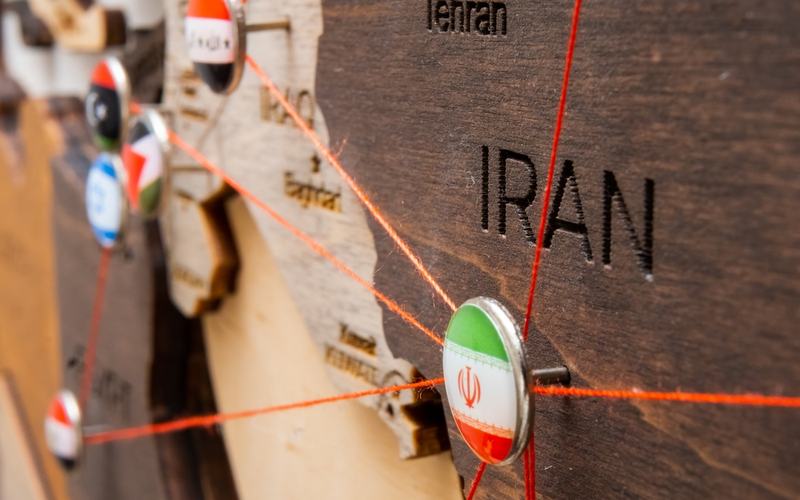
Iran’s military warned Saturday that it is “ready and determined” to defend the country if the U.S. naval blockade continues, vowing a strong response from its armed forces.
The statement, issued amid heightened tensions over the Strait of Hormuz, underscores Tehran's defiance as the blockade entered its second week. The U.S. imposed the naval restrictions on April 13, targeting ships entering or departing Iranian ports after indirect peace talks in Islamabad collapsed over the weekend prior.
U.S. Central Command has enforced the blockade with over 10,000 personnel, warships, and aircraft. By Saturday, it reported intercepting 33 vessels and seizing three Iran-linked tankers: the Touska on April 19, the Tifani on April 21, and the Majestic X on April 23. All complied after warnings, with crews remaining in U.S. custody.
Iran has retaliated by seizing two commercial vessels, imposing intermittent restrictions on the Strait of Hormuz, and launching drones at U.S. ships, though none caused damage. Tehran views the blockade as a ceasefire violation equivalent to bombardment, demanding its end before resuming talks.
The measures have disrupted Iran's oil exports, which account for over 40% of its pre-war revenue. President Donald Trump claimed the blockade costs Tehran up to $500 million daily, while analysts estimate $400 million. Some 26 vessels have evaded via shadow fleets and deception tactics, including faked tracking data.
Defense Secretary Pete Hegseth addressed the operation Friday at the Pentagon, calling the broader U.S. war in Iran a "gift to the world" and stating the blockade would continue "as long as it takes" to neutralize the threat. He noted European allies' reluctance to assist despite their reliance on the strait for energy imports.
Trump extended the nominal ceasefire indefinitely on April 23 while deploying additional forces, including a third carrier strike group and 4,500 troops. Diplomatic efforts persist, with U.S. envoys in Pakistan and Iran's foreign minister visiting Oman and Russia.
The conflict stems from U.S. and Israeli airstrikes on February 28 that killed Supreme Leader Ali Khamenei and top officials, prompting Iran's initial Hormuz blockade. No casualties have occurred during the current naval phase.
China and Russia have condemned the blockade as irresponsible, while NATO allies have withheld support. Oil prices have climbed above $100 per barrel amid the uncertainty.

Comments
No comments yet. Be the first to share your thoughts.