
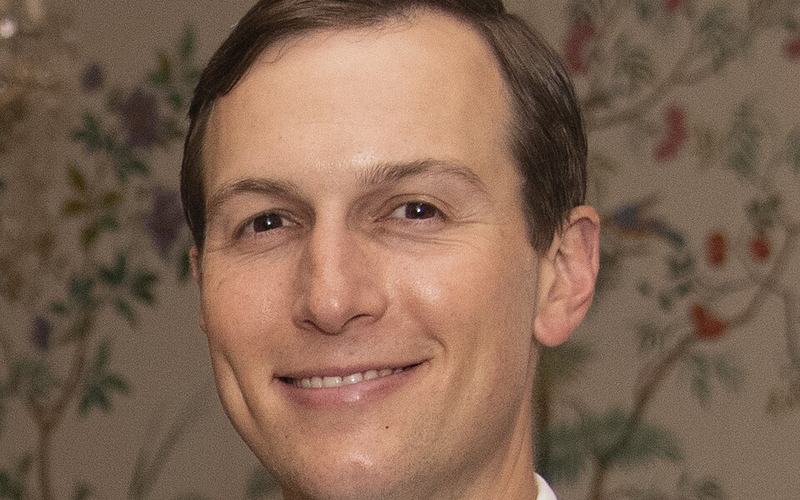
President Donald Trump dispatched special envoy Steve Witkoff and senior adviser Jared Kushner to Pakistan on Saturday for renewed face-to-face talks with Iran in Islamabad. The White House confirmed the trip late Friday as Iranian Foreign Minister Abbas Araghchi arrived in the Pakistani capital to coordinate proposals through local mediators.
White House press secretary Karoline Leavitt stated that Witkoff and Kushner are heading back to Pakistan because the Iranians want to engage in person. She emphasized Trump's commitment to diplomacy, noting the administration remains willing to give negotiations a chance. Vice President JD Vance remains on standby to join if discussions advance productively.
The upcoming session marks the second round of direct U.S.-Iran talks hosted by Pakistan since the conflict erupted on February 28, 2026. The first marathon negotiations in early April, led by Vance alongside Witkoff and Kushner, involved Iranian delegates, including Araghchi and Parliament Speaker Mohammad Bagher Ghalibaf. Those talks broke down without agreement after more than 20 hours, with Vance citing Iran's refusal to accept U.S. terms.
A fragile two-week ceasefire, unilaterally declared and extended by Trump last Tuesday, hangs in the balance. It is set to expire Tuesday night, prompting this urgent diplomatic push. U.S. Defense Secretary Pete Hegseth warned that Iran must abandon its nuclear weapons program in verifiable ways to secure a deal, adding that any attempts to mine the Strait of Hormuz would violate the truce and invite strikes.
Trump highlighted internal divisions in Iran between hardliners and moderates as a barrier to progress. In a Truth Social post, he described the situation as chaotic and reiterated a strong offer for a fair deal while cautioning against further aggression. "Iran knows that they still have an open window to choose wisely at the negotiating table," Hegseth echoed.
Pakistan has played a key mediating role, with Prime Minister Shehbaz Sharif and Army Chief Gen. Asim Munir facilitating prior sessions. Araghchi's Friday visit focused on conveying Tehran's positions to Washington via Islamabad. Iranian state media has expressed skepticism over U.S. demands and consistency, though officials signaled interest in resuming dialogue.
The war has disrupted regional air travel, but recent reopenings signal tentative de-escalation efforts. U.S. preparations include contingency plans for Hormuz scenarios, underscoring the high stakes as envoys aim to prevent renewed hostilities.

Comments
No comments yet. Be the first to share your thoughts.