
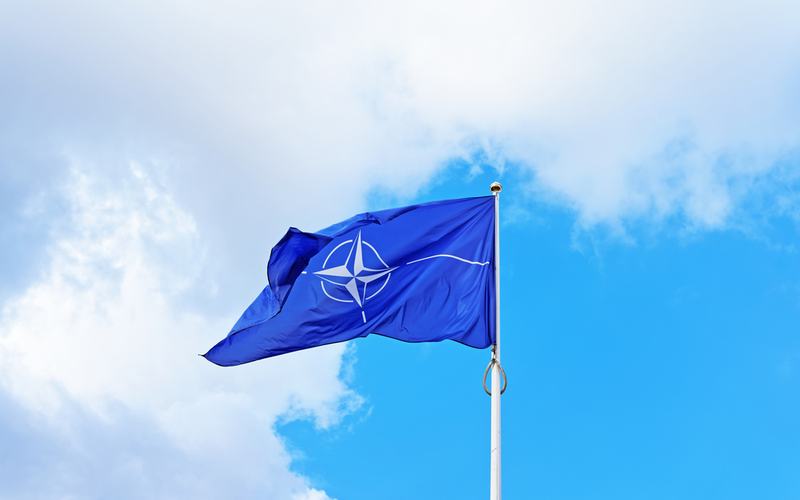
NATO officials confirmed Friday that the alliance's founding treaty includes no mechanism to suspend or expel member states, directly addressing reports of a U.S. proposal targeting Spain.
The statement followed a Reuters report detailing an internal Pentagon email circulated at high levels within the Defense Department. The email, prepared by top policy adviser Elbridge Colby, outlined options to penalize NATO allies reluctant to support U.S. operations in the ongoing war with Iran. It described access, basing, and overflight rights as "the absolute baseline for NATO" and suggested suspending Spain from the alliance, which would carry symbolic weight despite limited operational impact on U.S. forces.
Spain drew particular attention for refusing U.S. requests to use its key military facilities, including Naval Station Rota and Morón Air Base, or its airspace for strikes against Iran. Madrid's Socialist government under Prime Minister Pedro Sánchez has opposed the conflict, which began with U.S.-Israeli airstrikes on February 28, 2026, and led to Iran closing the Strait of Hormuz to commercial shipping. Sánchez dismissed the email Thursday at an EU summit in Cyprus, stating, "We do not work with emails. We work with official documents and positions taken, in this case, by the government of the United States." He affirmed Spain's commitment to NATO while insisting on adherence to international law.
The email also floated reviewing U.S. support for Britain's claim to the Falkland Islands and barring "difficult" allies from key NATO roles. This reflects broader U.S. frustration amid President Donald Trump's repeated criticisms of NATO partners for failing to deploy navies to reopen the strait or meet defense spending goals. Trump has called the alliance a "one-way street" and questioned U.S. membership, telling Reuters last month, "Wouldn't you if you were me?"
Pentagon Press Secretary Kingsley Wilson responded to queries by emphasizing that allies "were not there for us" and that the department would provide "credible options" to ensure they contribute. Defense Secretary Pete Hegseth added that the war has exposed alliance weaknesses, stating, "You don't have much of an alliance if you have countries that are not willing to stand with you when you need them."
European leaders pushed back. A German spokesperson affirmed Spain's NATO status remains secure, while Italian Prime Minister Giorgia Meloni urged unity. The U.K. reiterated its Falklands position unchanged. No formal U.S. proposal has advanced, and experts note NATO decisions require consensus, making suspension infeasible under the 1949 North Atlantic Treaty, which only allows voluntary withdrawal with one year's notice.
The episode underscores strains from the Iran conflict, now in its third month, as the U.S. pressures allies to share burdens amid questions over NATO's relevance.

Comments
No comments yet. Be the first to share your thoughts.