
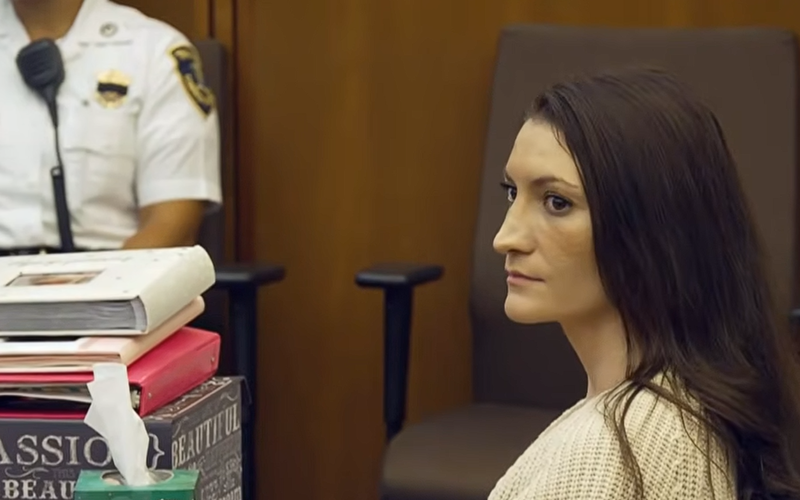
Clancy, a 36-year-old former labor and delivery nurse, faces three counts of first-degree murder in the January 2023 deaths of her children, 5-year-old Cora, 3-year-old Dawson and 8-month-old Callan, at the family home in Duxbury. She has pleaded not guilty and maintains she was not criminally responsible due to postpartum psychosis.
The prosecution argued that Clancy planned the killings. Evidence presented included phone searches, mapping routes, and timing the acts for when her husband was away on errands. Prosecutors also pointed to what they described as inconsistencies in her accounts to mental health providers and noted that the nation's healthcare system was not on trial.
The defense countered that Clancy suffered from severe postpartum mental illness exacerbated by inadequate medical care and overmedication. They emphasized her documented struggles with intrusive thoughts, insomnia, and prior psychiatric treatment, arguing she lacked the capacity to appreciate the wrongfulness of her actions.
According to media outlet The New Yorker, Clancy began to experience postpartum anxiety following the birth of both Cora and Dawson, and she was able to manage the symptoms through home remedies, i.e., exercise, meditation, and therapy.
Callan’s birth exacerbated her mental health struggles, and she claimed to experience hypomanic behavior, meaning heightened energy and mood, sleeping only approximately three hours per night, and exhaustion during the day. She also heard voices and experienced suicidal ideation.
Clancy sought help from mental health specialists, insisting that she be hospitalized in December 2022. According to an interview with ex-husband Patrick Clancy, Lindsay was only diagnosed with generalized anxiety disorder; however, on January 1, 2023, she was admitted to an inpatient program at a top psychiatric institution, McLean Hospital, but was discharged after just five days.
Following her hospital stay, Lindsay was prescribed a variety of medications to curb her depression symptoms.
Testimony concluded Wednesday after rebuttal witnesses, including forensic experts, testified that Clancy remained criminally responsible despite her mental health issues. Closing arguments wrapped up Thursday morning, after which the judge provided instructions on the law, including the standard of proof beyond a reasonable doubt.
Clancy did not testify during the trial. If convicted of first-degree murder, she faces life in prison without parole. A finding of not criminally responsible would result in commitment to a state psychiatric hospital.
The jury began their deliberation shortly after 12:30 p.m. on Thursday. Shortly before dismissing the jury, Judge William Sullivan commended the prosecution and defense for their efforts in this case.
“Unless you’ve tried a difficult murder like this one, you may not be aware how difficult and tough it is to try a case like this,” Sullivan said. “It’s emotionally taxing. It’s intellectually challenging. It’s physically exhausting.”

Comments
No comments yet. Be the first to share your thoughts.