
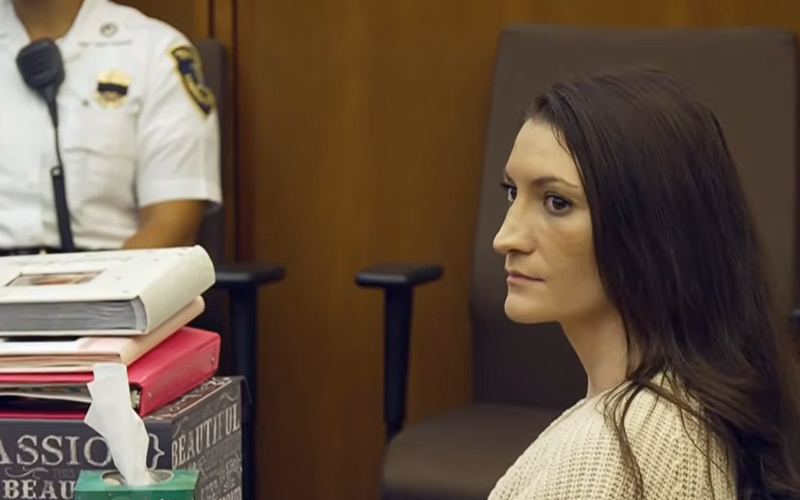
Jurors in the Lindsay Clancy trial returned to deliberations Thursday morning after signaling an impasse for the second consecutive day in Plymouth Superior Court. The nine women and three men have now spent more than 28 hours reviewing evidence without reaching a unanimous verdict on whether the 36-year-old Duxbury mother is criminally responsible for strangling her children Cora, 5, Dawson, 3, and Callan, 8 months, on January 24, 2023.
Clancy has admitted to the killings but her defense maintains she suffered from postpartum psychosis and bipolar disorder exacerbated by overmedication. Prosecutors argue the acts were premeditated, noting Clancy sent her husband out for takeout and used exercise bands to strangle each child. A conviction on first-degree murder charges carries a mandatory life sentence without parole in Massachusetts, which does not have the death penalty.
The case has become a flashpoint in broader debates over criminal responsibility and mental health defenses. Conservatives have largely argued that the severity of the crime demands full accountability, with some commentators calling for life imprisonment or harsher penalties where available. They point to the methodical nature of the killings and the suffering inflicted on the children as outweighing claims of mental illness.
The conservative position can be summarized by this video from former North Carolina Lt. Gov. Mark Robinson:
Progressives and supporters of Clancy have pointed to so-called failures in the healthcare system, including what they describe as inadequate treatment for postpartum conditions. Rallies outside the courthouse have featured calls to focus on "systemic issues" rather than punishment for the mother. The trial has drawn public attention to questions of postpartum mental health, though critics on the right contend that such arguments risk excusing horrific violence against the most vulnerable victims.
Judge William Sullivan issued a final Tuey-Rodriguez instruction Wednesday after the jury's second deadlock note, urging continued efforts to reach a verdict. A mistrial remains possible if deliberations fail to produce unanimity. The proceedings, which began in July, have included testimony from family members, medical experts, and investigators detailing Clancy's prior mental health struggles and the events of that day.
The outcome will determine whether Clancy faces prison or potential commitment to a psychiatric facility. Public reaction continues to split along familiar party lines, with the right prioritizing justice for the slain children and the left considering the murderer a victim herself.

Comments
No comments yet. Be the first to share your thoughts.