
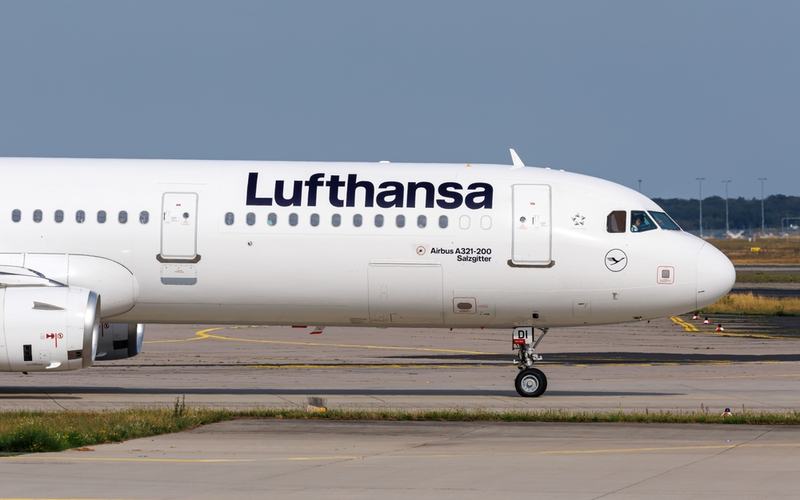
Lufthansa announced Tuesday it will cancel approximately 20,000 short-haul European flights this summer, citing sharply rising fuel costs that have made many routes financially unsustainable.
The German carrier said the reductions are expected to save more than 40,000 metric tons of jet fuel, with a significant portion of the cuts tied to the phased shutdown of its CityLine regional service. The airline’s restructuring includes the suspension or consolidation of multiple routes across Europe, affecting destinations in Germany, Ireland, Poland, Slovenia, Croatia, Romania, Norway, and Montenegro.
Affected flights include connections from major hubs such as Frankfurt and Stuttgart, with some routes being temporarily suspended and others permanently removed or merged within the airline group. Passengers impacted by cancellations will be offered refunds or rebooked through Lufthansa subsidiaries, including SWISS, Austrian Airlines, Brussels Airlines, and ITA Airways, where available.
The airline said some of the schedule reductions could become permanent as it reviews its European network, with additional cuts expected to be announced in the coming months.
The move comes as European aviation faces sustained pressure from rising fuel and labor costs, which have driven up ticket prices and led multiple carriers to scale back operations. Airlines including Air France-KLM, Delta Air Lines, United Airlines, SAS, Philippine Airlines, Cathay Pacific, and Air Canada have also adjusted routes or increased fares in response to higher operating expenses and energy market volatility.
Jet fuel prices in Europe have surged in recent months amid broader geopolitical tensions affecting global energy flows, including disruptions tied to conflict-related instability in key supply regions. Industry analysts warn that continued volatility could lead to further cancellations and fare increases heading into the peak summer travel season.
Lufthansa said it expects its overall fuel supply for the summer schedule to remain stable despite the reductions, but acknowledged that operational efficiency is being prioritized as costs rise. The airline had already begun grounding less efficient aircraft and accelerating the retirement of its CityLine fleet as part of longer-term restructuring plans.
European officials have also taken notice of the strain on the aviation sector. Germany’s government has signaled it is monitoring potential fuel supply risks, while the European Union has announced plans to establish a fuel observatory to track production, imports, exports, and stock levels across the bloc.
Analysts caution that if fuel supply pressures persist, airlines could face additional disruptions and further capacity reductions in the months ahead.

Comments
No comments yet. Be the first to share your thoughts.