
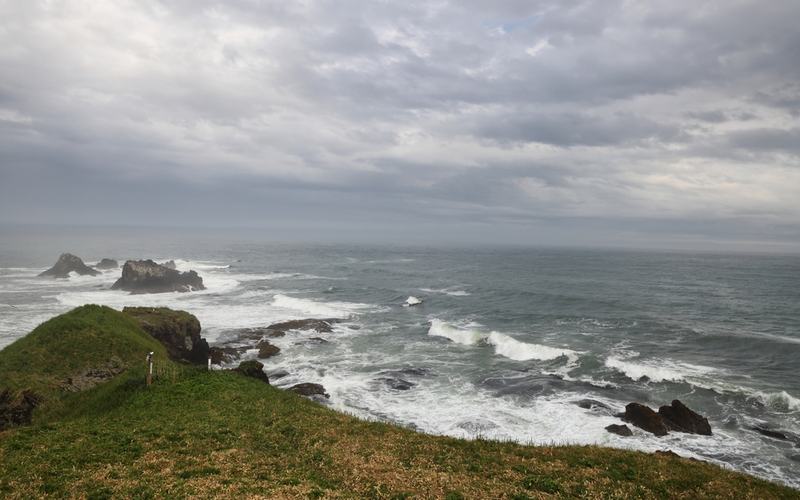
A powerful 7.5-magnitude earthquake struck off the northern coast of Japan on Monday, prompting tsunami alerts, evacuation advisories, and a government warning about a heightened, though still low, risk of a larger “megaquake” in the days ahead.
According to the Japan Meteorological Agency, the quake occurred at approximately 4:53 p.m. local time off the Sanriku coast near the Chishima Trench at a depth of about six miles. The tremor triggered tsunami activity along parts of the northern coastline, including waves measuring about 2.6 feet at Kuji port in Iwate Prefecture and smaller waves recorded elsewhere in the region.
Japanese officials issued tsunami warnings and advisories, urging residents to move to higher ground and avoid coastal areas and riverbanks. Footage aired by NHK showed residents evacuating to elevated areas, including parks and designated shelters.
More than 128,000 people across several northern prefectures were placed under non-binding evacuation advisories, according to Japan’s disaster management authorities. Emergency officials said they were continuing to assess the situation, though no major injuries or significant damage had been immediately reported.
The Pacific Tsunami Warning Center later stated that the broader tsunami threat from the quake had passed, though local advisories in Japan remained in effect for a time as a precaution.
In addition to immediate safety concerns, Japan’s Cabinet Office issued an advisory warning of a roughly 1% chance of a larger “megaquake” occurring along the northern coast within the next week. Officials emphasized that the advisory is not a prediction but urged residents to review emergency preparedness measures, including securing supplies and maintaining readiness for aftershocks.
Authorities also confirmed that no abnormalities were detected at nuclear power plants in the region, according to the Nuclear Regulation Authority.
The earthquake follows another magnitude 7.5 event in December that resulted in multiple injuries but did not trigger a larger quake. Japan remains one of the most seismically active regions in the world and continues to monitor potential risks closely.
The latest tremor comes 15 years after the devastating 2011 Tōhoku earthquake and tsunami, which killed more than 22,000 people and led to a nuclear crisis at the Fukushima Daiichi plant, displacing hundreds of thousands of residents. Officials continue to stress preparedness as a critical component of public safety in earthquake-prone areas.

Comments
No comments yet. Be the first to share your thoughts.