
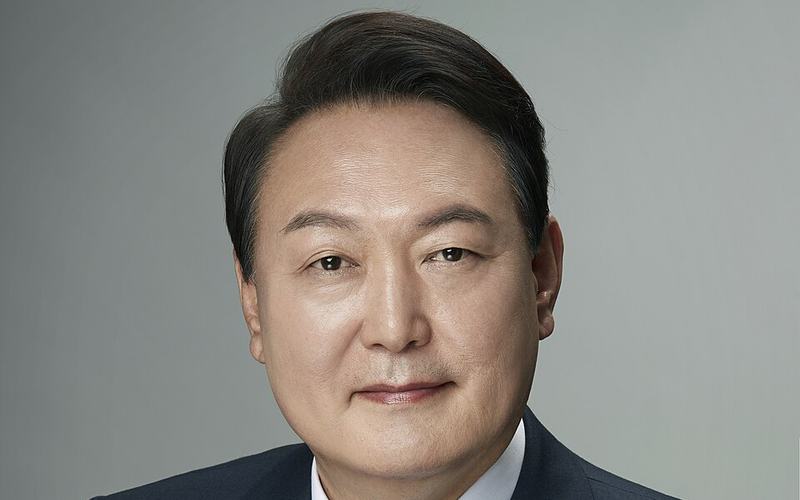
South Korean prosecutors requested a 30-year prison sentence for ousted President Yoon Suk Yeol during closing arguments Friday at the Seoul Central District Court. The demand stems from charges that Yoon abused his power and benefited North Korea, an adversary, by ordering drone operations over Pyongyang in October 2024.
Prosecutors allege the flights, which North Korea claimed involved dropping propaganda leaflets on three occasions, were designed to provoke a military response and justify Yoon's short-lived declaration of martial law on December 3, 2024. They argued that Yoon aimed to 'create a warlike situation between the Koreas while plotting an authoritarian push to remove his political opponents and monopolize and extend his power.' One drone reportedly crashed, risking the exposure of sensitive South Korean military information.
Yoon's legal team denied the accusations, stating he took no actions that could trigger a clash with North Korea. The court is expected to deliver its verdict at a later date. This case marks one of eight criminal trials facing Yoon since his removal from office.
The drone incident unfolded amid escalating tensions on the Korean Peninsula. North Korea accused South Korea of the incursions, prompting Pyongyang to bolster air defenses and threaten retaliation. South Korea's Defense Ministry initially denied involvement but later expressed regret over any unauthorized flights without confirming Yoon's direct role.
Yoon's presidency unraveled after the martial law decree, which lasted only six hours before parliament overturned it. The move sparked massive protests and led to his impeachment by the opposition-led National Assembly on December 14, 2024. The Constitutional Court formally removed him in April 2025, paving the way for a snap election in June that liberal candidate Lee Jae-myung won.
Yoon was arrested in July 2025. In February 2026, a court sentenced him to life imprisonment for leading an insurrection tied to the martial law bid, despite prosecutors seeking the death penalty, a punishment South Korea has not carried out since 1997. That verdict is under appeal, as are other convictions, including a five-year term for resisting arrest and abuse of power.
Prosecutors also sought 25 years for Yoon's former defense minister, Kim Yong-hyun, in the drone case. The investigations, approved by President Lee, have targeted Yoon, his wife, and associates on various charges, deepening South Korea's political divide. Yoon's supporters view the probes as politically motivated retribution by the liberal administration, while critics say they ensure accountability for actions that threatened democracy.

Comments
No comments yet. Be the first to share your thoughts.