
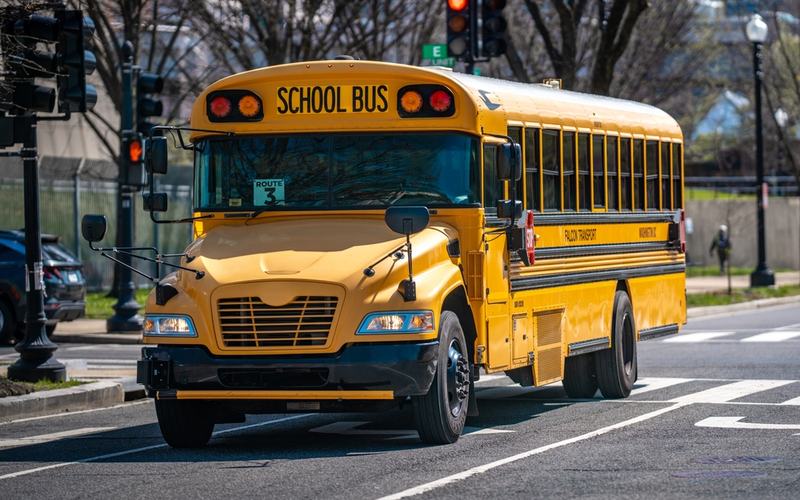
The National Transportation Safety Board is recommending that all newly manufactured school buses be equipped with alcohol detection systems capable of preventing operation if a driver is found to be impaired, following an investigation into a deadly crash in West Virginia.
The recommendation stems from a school bus rollover two years ago that left multiple children seriously injured, including one student who required a leg amputation. Investigators later determined the driver was intoxicated at the time of the crash, prompting further review into whether similar cases could be more widespread.
According to the agency, the proposal would require ignition-based alcohol detection technology installed in school buses, similar to systems already used in vehicles operated by drivers with prior DUI convictions. The devices would prevent a bus from starting if alcohol is detected above a set threshold.
NTSB officials said school bus drivers are held to a higher standard than many other drivers due to the responsibility of transporting children. The agency emphasized expectations of full attentiveness and sobriety while operating school vehicles.
The recommendation does not include an estimated nationwide cost or identify how funding would be allocated. While similar systems in other contexts can cost a few hundred dollars initially and monthly monitoring fees, the scale of implementation across school districts remains uncertain.
Federal regulators or individual states could require adoption of the technology, though broader nationwide enforcement would likely require congressional action. The proposal focuses specifically on alcohol detection, as the agency cited alcohol as the primary factor in the crash that prompted the review.
Safety advocates say impaired driving among school bus operators is rare but still concerning, given the potential consequences. Data reviewed by investigators identified more than 100 allegations of drunk driving involving school bus drivers over a recent multi-year period, though comprehensive national tracking is limited.
In the West Virginia case that prompted the review, investigators said the bus struck a roadside culvert before overturning on a rural highway. All students on board were injured, though most sustained minor injuries. The driver was later convicted and sentenced to a lengthy prison term.
Advocacy groups supporting highway safety have backed the recommendation, arguing that children should be afforded the highest level of protection during transportation. They note that while school buses are generally considered among the safest vehicles on the road, most fatalities involving them occur in other vehicles during crashes.
Industry groups representing school transportation providers have not yet responded publicly to the recommendation. Previous NTSB proposals, including calls for mandatory seat belts on school buses, have faced resistance from operators over cost and implementation concerns.
The agency has also recommended broader adoption of safety measures such as seat belts and stronger enforcement of their use, particularly following incidents where student passengers were ejected or unrestrained during crashes.
The NTSB said most school bus travel remains safe overall, but officials argue that additional safeguards could further reduce risks, particularly in rare cases involving impaired driving.

Comments
No comments yet. Be the first to share your thoughts.