
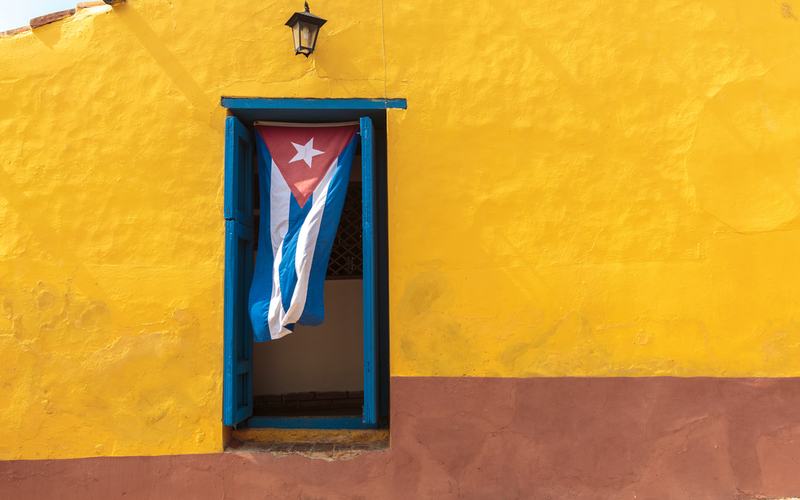
Military planners at the Pentagon have quietly intensified preparations for a potential U.S. operation in Cuba, according to two sources familiar with the directives. The effort stems from directives to develop options in case President Donald Trump orders direct intervention on the communist-led island, even as U.S. forces remain engaged in the ongoing conflict with Iran.
The planning acceleration was first reported by USA Today on April 15, citing anonymous officials not authorized to speak publicly. Reports indicate the work builds on longstanding contingency exercises but has gained urgency amid escalating tensions that began in January, when the Trump administration restricted oil shipments to Cuba to pressure Havana for political reforms. A separate account from Zeteo described a White House order to the Pentagon to ramp up preparations for action in the Caribbean.
Trump has repeatedly signaled interest in confronting Cuba's regime. In recent remarks, he stated, "Whether I free it, take it, I think I can do anything I want with it," and added, "We may stop by Cuba after we’re finished with this," referring to Iran. On April 18, he vowed a "new dawn for Cuba" after "70 years in waiting," promising American strength would bring change. These comments follow a January U.S. operation in Venezuela that extracted former President Nicolás Maduro, killing 32 Cuban military personnel guarding him and rattling exile communities in Florida.
In response, Cuban President Miguel Díaz-Canel has warned of resistance. Speaking on April 16 during the 65th anniversary of Cuba's socialist revolution, he described a U.S. strike as a real possibility and urged national defense preparations. In an NBC interview, he affirmed, "If that happens, there will be fighting... we will defend ourselves, and if we need to die, we’ll die."
The Pentagon has neither confirmed nor denied specifics, stating only that it "plans for a range of contingencies and remains prepared to execute the president’s orders as directed." U.S. Southern Command, responsible for the region, declined comment on planning and noted in March congressional testimony that no rehearsals for a Cuba takeover were underway. Analysts like Brian Fonseca of Florida International University described the moves as "a lot of signaling," predicting an easy military outcome given Cuba's outdated equipment but a challenging postwar stabilization.
Tensions trace back decades to Fidel Castro's 1959 revolution and U.S. embargo, but recent U.S. actions, including seizing oil tankers bound for Cuba, have deepened the energy crisis on the island. The two nations have held early talks on de-escalation, including a possible economic deal with prisoner releases, though gaps remain wide. As of April 27, no deployments or further public escalations have been reported, leaving the situation in a tense holding pattern.

Comments
No comments yet. Be the first to share your thoughts.