
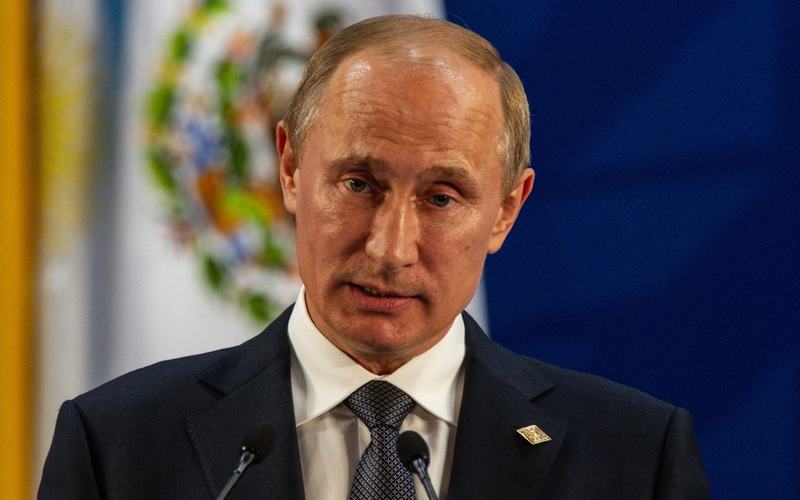
Russia's state-run pollster VTsIOM reported that President Vladimir Putin's approval rating fell to 65.6 percent in a survey conducted from April 13 to 19, marking the lowest level since before the full-scale invasion of Ukraine in February 2022. The figure represented a decline from 73.3 percent in March and continued a seven-week downward trend, with trust in Putin slipping to 71 percent.
Distrust in Putin reached 24.1 percent, the highest since the war began, while disapproval of the Russian government climbed to 31.1 percent. Analysts attributed the shift partly to intensified internet restrictions, including crackdowns on mobile access and VPNs, which sparked public frustration. Economic pressures exacerbated the discontent, as inflation outpaced wage growth despite low unemployment, grocery prices rose, and a VAT increase from 20 to 22 percent took effect in January.
The findings came after more than four years of grinding conflict in Ukraine, where Russian forces made incremental gains but faced persistent Ukrainian resistance. Recent assessments noted no major advances in key areas like Donetsk and Kharkiv oblasts, with ongoing exchanges of drone and missile strikes. Russia launched over 100 drones against Ukraine overnight on April 23-24, targeting civilian infrastructure and killing at least two people.
Independent polling reinforced signs of war weariness. A Levada Center survey from February, published in March, found 67 percent of Russians supported peace negotiations with Ukraine, a record high, while only 24 percent favored continuing the military operation, the lowest since 2022. Levada's March data showed Putin's approval at 80 percent, down slightly from prior months and the lowest since late 2022.
Economic strains from the war intensified the mood. Russia's Central Bank cut its key interest rate to 14.5 percent on April 24 amid a federal deficit exceeding plans and planned layoffs surging 43 percent since mid-2025. The government faced a depleted budget, high external debt, and reliance on war spending, which burdened households through higher costs and mobilization fears.
State media received Kremlin guidance to highlight higher approval figures from another pollster, FOM, at around 76 percent, rather than VTsIOM's data. Backlash against censorship efforts grew in recent weeks, contributing to domestic tensions ahead of September parliamentary elections.
Despite the declines, a majority still approved of Putin's performance, and support for Russian military actions in Ukraine remained relatively high in earlier surveys. The war, now in its fifth year, continued to test public resolve as slow battlefield progress and accumulating costs eroded earlier optimism that it would conclude in 2026.

Comments
No comments yet. Be the first to share your thoughts.