
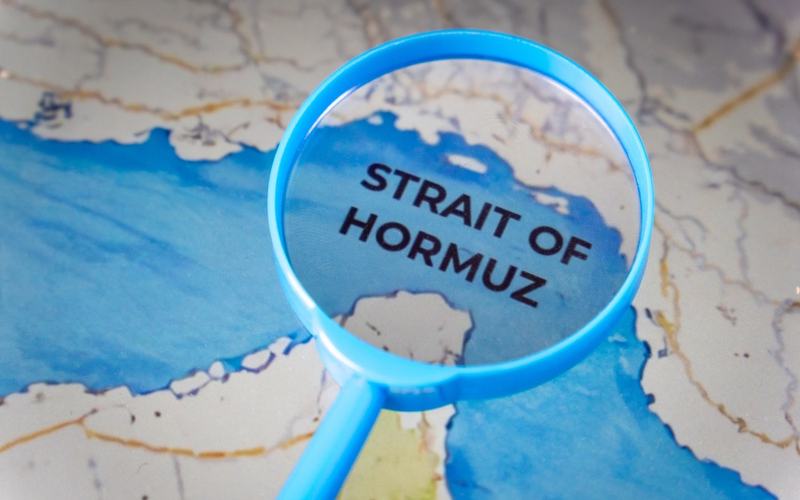
A U.S.-sanctioned supertanker transited the Strait of Hormuz into the Persian Gulf on Wednesday, challenging the American naval blockade targeting Iranian ports. Shipping data showed the vessel, identified as RHN, an empty very large crude carrier capable of holding 2 million barrels of oil, passing through the strait despite U.S. enforcement efforts. Another sanctioned tanker, Alicia, also crossed the strait a day earlier on Tuesday, heading toward Iraq with a history of carrying Iranian oil.
Iranian state media claimed a supertanker openly defied the blockade by sailing through international waters with its tracking system active, entering Iranian waters bound for Imam Khomeini port. The Fars News Agency reported the vessel's transit occurred overnight Tuesday into Wednesday, hours after the U.S. Central Command declared the blockade fully implemented. Tracking from MarineTraffic confirmed multiple oil tankers, including China-owned Alicia, moving through the strait during this period.
The U.S. imposed the blockade on Monday, April 13, following President Donald Trump's announcement on Sunday after failed peace talks in Islamabad. It targets all vessels entering or exiting Iranian ports and coastal areas in the Strait of Hormuz but permits transit to non-Iranian destinations. Centcom commander Brad Cooper stated U.S. forces achieved full implementation in under 36 hours, halting economic trade into and out of Iran by sea and maintaining maritime superiority.
U.S. forces have turned back at least 10 vessels since the blockade began, with no confirmed breakthroughs, according to Centcom. A U.S. destroyer intercepted two oil tankers leaving Iran's Chabahar port on Tuesday, ordering them to reverse course. The sanctioned Chinese tanker Rich Starry exited the Gulf on Tuesday but turned back toward Hormuz the next day after failing to fully evade enforcement; it carries 250,000 barrels of methanol.
The measure aims to squeeze Iran's economy, which relies on the strait for over 90% of its $109.7 billion annual seaborne trade, potentially costing Tehran $435 million daily. Iran exported 1.71 million barrels per day of crude in April up to this point, but the blockade threatens to curb this further. China condemned the action as a "dangerous and irresponsible act" that heightens regional tensions.
While some sanctioned vessels have transited, overall traffic through the strait has dropped sharply from the usual 130 daily crossings. The White House has signaled openness to diplomacy as talks with Iran continue amid the pressure campaign.

Comments
No comments yet. Be the first to share your thoughts.