
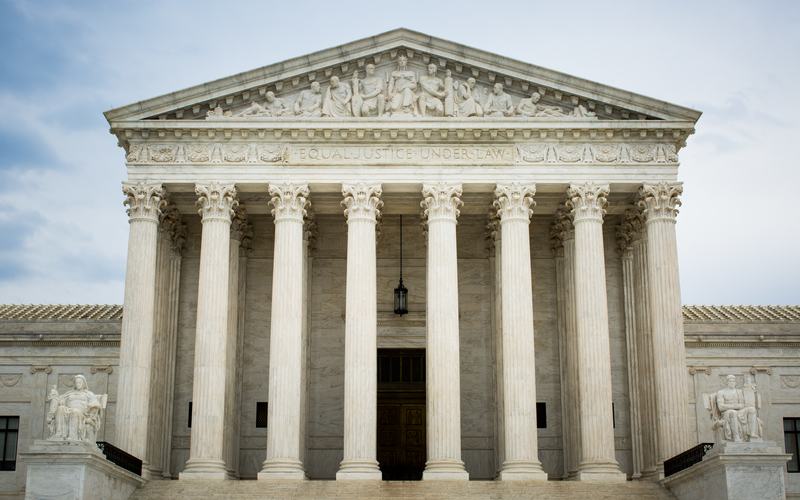
The U.S. Supreme Court delivered a significant win for the Trump administration in April 2025 by lifting a federal judge's injunction that had halted deportations under the Alien Enemies Act of 1798. In a unanimous per curiam opinion in Trump v. J.G.G., the justices vacated temporary restraining orders issued by a District of Columbia court, allowing the government to resume removals of Venezuelan nationals suspected of ties to the Tren de Aragua gang.
President Trump invoked the wartime law, codified at 50 U.S.C. §21, through Proclamation No. 10903 in March 2025. The proclamation targeted Venezuelan citizens aged 14 and older believed to be members of Tren de Aragua, designated a foreign terrorist organization, amid concerns over gang violence spilling into the United States. The Alien Enemies Act authorizes the president to apprehend, restrain, and remove noncitizens from hostile nations during declared war or invasion.
The high court's ruling emphasized procedural requirements. It held that challenges to such removals must proceed via habeas corpus petitions in the district of confinement, not nationwide injunctions from distant courts. The justices required the government to provide notice to detainees "within a reasonable time and in such a manner as will allow them to actually seek habeas relief in the proper venue before such removal occurs." This balanced national security interests with Fifth Amendment due process protections.
Justice Sotomayor dissented in part, joined by Justices Kagan and Jackson, arguing the decision undermined core due process guarantees, while Justice Jackson issued a separate dissent.
The decision cleared the way for deportations to proceed, though subsequent litigation produced mixed results. In May 2025, the Court temporarily blocked additional removals in A.A.R.P. v. Trump, enjoining the government from deporting certain detainees without adequate notice and remanding for further review on due process claims. Lower courts, including appeals panels, later rejected broader applications of the Act against non-gang migrants, ruling it inapplicable outside wartime contexts or specific enemy threats.
As of April 2026, the Alien Enemies Act remains a narrow tool in the administration's immigration enforcement arsenal, primarily used for high-risk individuals rather than mass operations. Trump's broader deportation campaign relies on expedited removal under standard immigration statutes, workplace raids, and TPS terminations, with ongoing court battles over third-country removals and judge firings.
Recent developments include a federal appeals court on April 14 blocking a contempt probe into past deportation flights under the Act, shielding administration officials from further scrutiny. Advocacy groups continue challenging the law's peacetime use, citing historical applications during World War II Japanese internment, but the Supreme Court's procedural framework has enabled targeted enforcement.
The 2025 ruling underscores the Court's deference to executive authority in immigration and national security, even for obscure statutes like the 1798 Act. It has facilitated hundreds of removals despite legal hurdles, contributing to the administration's goal of prioritizing criminal aliens amid record border encounters.

Comments
No comments yet. Be the first to share your thoughts.