
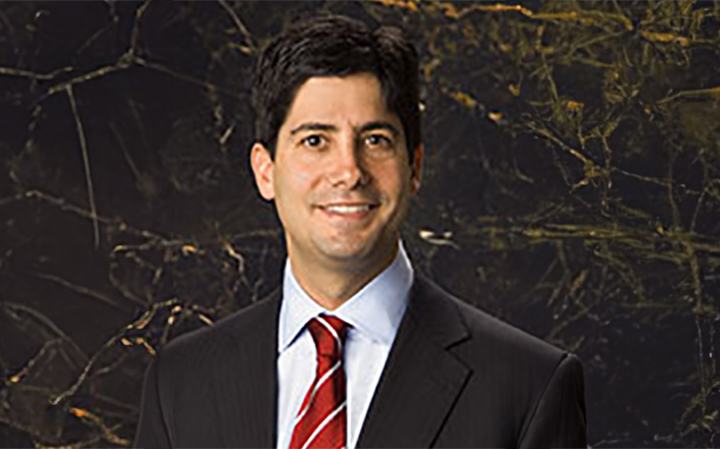
The Senate Banking Committee on Wednesday voted 13-11 to advance President Donald Trump's nominee Kevin Warsh to be the next chair of the Federal Reserve, clearing a key procedural hurdle ahead of a full Senate confirmation vote. The party-line tally saw all 13 Republicans in favor and all 11 Democrats opposed, marking the first fully partisan vote on a Fed chair nominee in the committee's history.
Warsh, a former Federal Reserve governor from 2006 to 2011, would replace Jerome Powell, whose term as chair expires on May 15. The vote came hours before the Fed's policy meeting, which could be Powell's last as chair. Trump nominated Warsh in March to lead the central bank amid ongoing debates over interest rates and inflation, which recently hit a two-year high of 3.3% linked to the Iran war.
The nomination faced a delay from Sen. Thom Tillis, R-N.C., who placed a hold until the Department of Justice closed its investigation into Powell over office renovation cost overruns. Tillis lifted the block after the probe ended, expressing confidence in Warsh during the committee proceedings. He dismissed Democratic criticisms, telling Sen. Elizabeth Warren, the ranking Democrat, that she was "flatly wrong on every point she just tried to make."
Democrats voiced strong opposition, with Warren warning that advancing Warsh would bring Trump "one step closer to completing his illegal attempt to seize control of the Fed and to artificially juice the economy." She highlighted concerns over economic conditions, stating, "The Trump economy is in real trouble. Inflation is up, job creation is down. The stink of stagflation is in the air, and President Trump is getting desperate."
Warsh has been a vocal critic of Powell's tenure, describing the 2022 inflation peak of 9.1% as the central bank's "biggest policy mistake in four decades." Trump has frequently targeted Powell for not cutting rates aggressively enough and anticipates lower borrowing costs under Warsh.
Warsh testified before the committee earlier this month, pledging Fed independence while advocating for policy changes, including potential "regime change" at the central bank. The full Senate, with a 53-seat Republican majority, is expected to take up the nomination the week of May 11. Confirmation appears likely, potentially with support from Sen. John Fetterman, D-Pa., putting Warsh in position to chair the Fed's June policy meeting.
The advancement sets the stage for a leadership transition at the Fed as it navigates persistent inflation pressures and economic uncertainty.

Comments
No comments yet. Be the first to share your thoughts.